



Contents
Case Study

Cornell University added a shared Dropometer for campus users. A fiber lab's water contact angles showed lignin makes PLA mats more water repellent.

Last Updated
October 18, 2026
Industry
University shared research facility; fiber and textile science
Location
Ithaca, New York, USA
Customer since
February 2021
Publication
Fibers 13 (2025) 129
Image credit
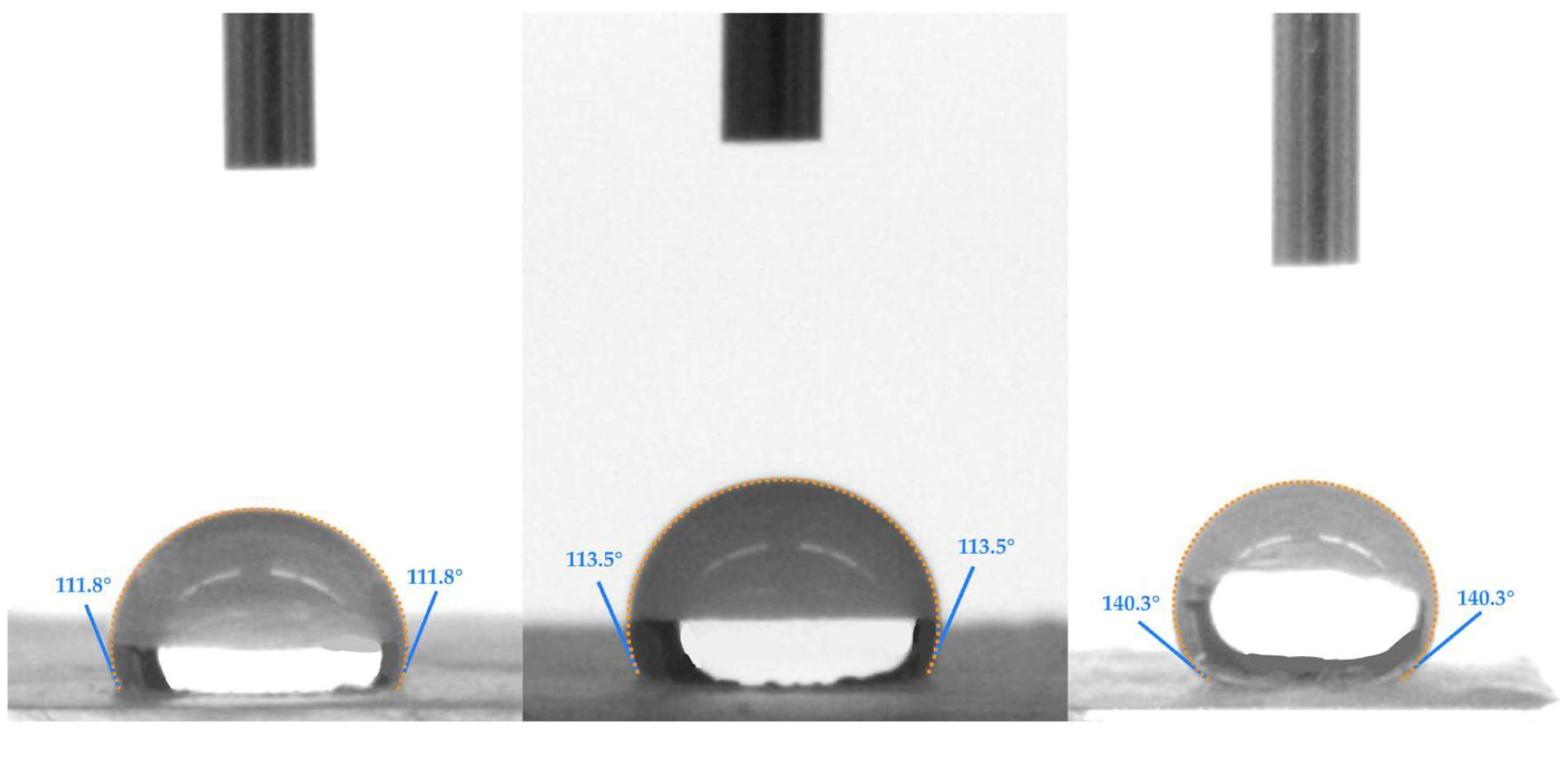
Fig. 9, Szlek, Fan and Frey, Fibers 13 (2025) 129, CC BY 4.0
Drop shape method validated against a KRÜSS DSA100E in peer review Repeat purchase: a second Cornell University group bought a Dropometer in 2023 Two peer reviewed validation papers on the measurement method

The Cornell Center for Materials Research runs instruments for groups across campus. In 2021 it added a manual Dropometer with all four measurements, after a colleague's referral, sample tests and a remote demo. In 2023 a Materials Science and Engineering group bought a second unit. In 2025 a Human Centered Design lab published water contact angles on electrospun lignin and PLA fiber mats, calculated automatically in Droplet Lab software.

Fig. 9 of the Fibers paper: water drops on ESKL/PLA, neat PLA and ALE60/PLA fiber mats with fitted profiles reading 111.8°, 113.5° and 140.3°
Abhimanyu Photo
Written by
Abhimanyu Bhandankar
Holds an MBA from Schulich School of Business and a BE in IT. He joined Droplet Lab in July 2019 and now leads sales and marketing.
CEO at Droplet Lab
Read More
Gurdeep-Saini-Photo
Technical Review by
Gurdeep Singh Saini
Holds a BASc in Mechanical Engineering from Ryerson University (now Toronto Metropolitan University) and an MASc from York University. He develops the automatic edge and baseline detection behind the Dropometer's analysis.
COO at Droplet Lab
Read More
Abhimanyu Photo
Written By

Abhimanyu Bhandankar

CEO at Droplet Lab

Holds an MBA from Schulich School of Business and a BE in IT. He joined Droplet Lab in July 2019 and now leads sales and marketing.

Gurdeep-Saini-Photo
Reviewed By

Gurdeep Singh Saini

COO at Droplet Lab

Holds a BASc in Mechanical Engineering from Ryerson University (now Toronto Metropolitan University) and an MASc from York University. He develops the automatic edge and baseline detection behind the Dropometer's analysis.

Primary outcome: lignin made PLA fiber mats more water repellent

Water contact angle on electrospun fiber mats

Sessile drop, three drops per mat read within 10 s, Droplet Lab software (Fibers, 2025)

Neat PLA 110.75 ± 2.98°
ALE60 lignin/PLA 138.67 ± 4.37°

Neat PLA fiber mats read 110.75 ± 2.98°. Adding an Alcell lignin fraction (ALE60) raised the angle to 138.67 ± 4.37°, and unfractionated softwood Kraft and switchgrass lignin reached 131.37° and 130.26°. Nine of the ten lignin blends read above neat PLA. The authors write that adding lignin increased hydrophobicity "in nearly every case".

138.67° ± 4.37°

Highest water contact angle, on PLA mats with an Alcell lignin fraction (ALE60), n = 3.

9 of 10 lignin blends

Lignin/PLA blends that read above neat PLA at 110.75°.

2 Dropometers

One in the shared materials facility (2021) and one in a Materials Science and Engineering group (2023).

Automatic angle calculation

Every angle in the paper was calculated by Droplet Lab software at the time of measurement.

Executive Summary

Who

The Cornell Center for Materials Research (CCMR) runs shared research instruments for groups across Cornell University. Prof. Margaret Frey's lab in the Department of Human Centered Design develops electrospun fibers from bio based materials such as lignin, and its 2025 paper acknowledges use of CCMR facilities.

Problem

CCMR wanted contact angle and surface tension measurement for interested groups across campus, and asked to test samples before buying. In the Frey lab, rough and porous PLA and lignin fiber mats had to be compared on wetting with one method, eleven mats in all.

Solution

CCMR bought a manual Dropometer with contact angle, sliding angle, surface tension and surface energy, paid in February 2021 and shipped in April 2021. In the Fibers paper, the Frey lab placed water drops with a Hamilton syringe, and Droplet Lab software calculated each angle automatically with a Young Laplace fit.

Time to Value

22 September 2020: email to Cornell University faculty. 24 September 2020: referral to CCMR. 20 November 2020: CCMR ships samples for testing. 2 December 2020: remote demo. 4 February 2021: paid. 15 April 2021: shipped. 5 September 2023: second Cornell University unit paid. 19 September 2025: Fibers paper published.

Results

Water contact angle rose from 110.75° on neat PLA to 138.67° with an Alcell lignin fraction, and nine of ten lignin blends read above PLA. Read with several other properties, the authors matched blends to air filtration, wound dressings or cosmetic care, and packaging. A second Cornell University group bought its own Dropometer in 2023.

Highlights

110.75° → 138.67°

Neat PLA to ALE60 lignin/PLA

9 of 10

Lignin blends above neat PLA

2

Dropometers at Cornell University

4

Measurements on the facility unit

Cornell University, at a glance

Research focus

A shared materials research facility, and a fiber science lab turning lignin into electrospun micro and nanofibers.

Products / applications

Lignin and PLA fiber mats suggested for air filtration, wound dressings or cosmetic care, and packaging.

Measurement stage

Materials screening, alongside SEM, FTIR, DSC, tensile tests and antioxidant activity.

Users

Researchers from groups across campus who book the facility's instruments.

Materials and surfaces tested

Electrospun neat PLA and 1:1 lignin/PLA mats from softwood Kraft, hardwood Alcell and switchgrass lignin, fractionated and unfractionated.

Key constraints

Rough, porous fiber surfaces; many samples to compare; a purchase threshold for the facility.

The challenge: a shared facility needed a wetting tool that many groups could use

Rough, porous fiber mats needed quick, consistent contact angles.

What the facility needed

The Cornell Center for Materials Research serves groups across campus. In October 2020 its team asked for a demo of the manual Dropometer, and planned to first send samples "from interested groups". One shared instrument for contact angle measurement and surface tension could serve many labs.

Why fiber mats are hard to measure

Electrospun mats are rough and porous, so a drop sits on fibers and air rather than a flat film. Wettability readings on such mats spread, from ± 1.14° to ± 7.06° across the mats in this study. Each mat needed three drops in different areas, read within 10 s and averaged, which is the routine behind reproducible contact angle measurement.

What was at stake

The Frey lab compared eleven fiber mats made from different lignin sources and fractions. Contact angle was one of several properties the authors used to match blends to air filtration, wound dressings or cosmetic care, and packaging. The same question comes up in water resistance checks on biodegradable packaging film and across consumer products.

What success would require

A contact angle method that any trained user could run, with the angle calculated the same way every time, and numbers ready for a peer reviewed paper. Textile labs that grade oil repellency with AATCC TM118 can use contact angle as a supporting number alongside that grade.

The insight: let the software calculate every angle the same way, for every user

What Was Deployed

Dropometer, delivered configuration at CCMR (paid 4 February 2021, shipped 15 April 2021): the manual Dropometer contact angle kit with contact angle, sliding angle, surface tension and surface energy apps, and no automatic components. Method in the Fibers paper: a deionized water drop placed with a Hamilton Gastight #1750 syringe and an 18 gauge needle, three drops on different areas of each mat read within 10 s, and the angle calculated automatically by Droplet Lab software with a Young Laplace fit. Values, figures and method details are in our analysis of the lignin/PLA fiber mat paper.
The Origin

“Melissa Hines passed along your information to me”

In September 2020 Droplet Lab emailed faculty at Cornell University about contact angle and surface tension measurement. Prof. Melissa Hines in Chemistry passed it to Dr. Jon Shu, Associate Director of the Cornell Center for Materials Research, who replied on 24 September: "We run a materials research facility at Cornell."

The facility manager had already seen the Dropometer in person at a convention booth. CCMR shipped samples for testing on 20 November 2020 and joined a remote demo on 2 December 2020. The facility chose a manual system with all four measurements, paid on 4 February 2021, and received it in April 2021.

In 2023 a postdoctoral researcher in Materials Science and Engineering bought a second Dropometer, and also needed advancing and receding contact angles.

Decision Rationale

Manual, with all four measurements

Three configurations were quoted between September and December 2020.

Option A

Manual version, first quote

Quoted on 24 September 2020, before the facility had seen a demo.

Not chosen.
Option B

All four measurements with automatic components

Quoted on 28 October 2020.

Not chosen.
Option C

Manual, all four measurements

Contact angle, sliding angle, surface tension and surface energy on a manual system, quote revised after the demo in December 2020.

Chosen
CCMR first saw a quote for the manual version, then one for all four measurements with automatic components. After the demo and a phone call, Droplet Lab revised the quote to the manual system with all four measurements. The facility ordered the unit that was ready to ship, and confirmed it could move to the complete metal unit later, at cost. The trade off was manual drop placement instead of the automatic dispenser and sliding stage. Groups weighing the same choice can compare options in our guide to the best contact angle goniometer for advanced research.

Next Step

Running a shared facility, or comparing many coatings, films or fiber mats?

The Dropometer calculates each contact angle automatically, so every user and every sample is analysed the same way. It covers contact angle, sliding angle, surface tension and surface energy, with a drop shape method validated against a KRÜSS DSA100E in peer review. Setup takes about 2 minutes. Book a 15 minute demo and bring a sample.

Before vs After

Metric Before After
Contact angle access for CCMR users No Dropometer in the facility Manual Dropometer with all four measurements from April 2021
Water contact angle, neat PLA vs ALE60/PLA 110.75 ± 2.98° 138.67 ± 4.37°
Water contact angle, neat PLA vs Kraft lignin/PLA 110.75 ± 2.98° 131.37 ± 4.56°
Water contact angle, neat PLA vs switchgrass lignin/PLA 110.75 ± 2.98° 130.26 ± 2.63°
Lignin blends reading above neat PLA Baseline: neat PLA mat 9 of 10
Dropometers at Cornell University 0 2 (2021 and 2023)

Rollout timeline

Timeline (high level)

September to October 2020: Referral and quotes

  • Email to Cornell University faculty on 22 September; Prof. Hines refers it to CCMR
  • Quotes for manual and automatic configurations

November to December 2020: Testing and demo

  • CCMR sends two samples for testing on 20 November
  • Remote demo on 2 December with the facility team and Prof. Hines

February to April 2021: Purchase and delivery

  • Paid on 4 February 2021
  • Shipped on 15 April 2021, after a parts delay, with the apps preloaded

2021 to 2023: Setup and updates

  • Phone holder and camera height adjusted in May to July 2021
  • Free software update in March 2023

September 2023: Second Cornell University unit

A Materials Science and Engineering postdoc buys a manual Dropometer for advancing and receding angles

September 2025: Fibers paper

Szlek, Fan and Frey publish lignin/PLA fiber mats with Dropometer contact angles on 19 September 2025

Proof and validation: what the paper shows, and what it does not

Test method

Static sessile drop water contact angle under ambient conditions. Deionized water placed with a Hamilton Gastight #1750 syringe and an 18 gauge needle; angle calculated automatically in Droplet Lab software with a Young Laplace fit.

Sample size and operators

Eleven fiber mats (neat PLA and ten lignin/PLA blends). Three drops on different areas of each mat, read within 10 s and averaged (n = 3). Drop volume not stated.

Repeatability / reproducibility

Spreads from ± 1.14° to ± 7.06° across the eleven mats (Table 3). Single drop images in Fig. 9 (111.8°, 113.5°, 140.3°) fall within the reported ranges.

Notes / assumptions

The paper describes its best mats as approaching superhydrophobicity, but the highest reading is 138.67°, below the usual 150° threshold, so this page does not repeat that claim. With n = 3 and no drop volume stated, the values are best read as comparisons between blends. Contact angle is one of several properties in the study.

Outcomes to date

Measured Outcomes

138.67 ± 4.37°

ALE60 lignin/PLA mat

Highest of eleven mats, against 110.75 ± 2.98° for neat PLA, three drops per mat (Fibers, 2025).

131.37° and 130.26°

Unfractionated Kraft and switchgrass lignin

Strong results without a fractionation step, supporting the paper's point that fractionation is not essential.

9 of 10

Blends above neat PLA

Only the ethanol soluble Kraft fraction (110.62 ± 2.30°) did not read above neat PLA.

Operational Outcomes

Shared access

One facility instrument with four measurements, open to groups across campus through CCMR.

Matching blends to uses

The authors point switchgrass blends to air filtration, Kraft blends to wound dressings or cosmetic care, and Alcell blends to packaging.

Repeat purchase

A second Cornell University group bought its own Dropometer in 2023.

What's next

Delivered

Facility Dropometer in service since April 2021
Lignin/PLA fiber mat study (Fibers, 2025)
Second Dropometer at Cornell University (2023)

In Pilot

Authors invited to contribute drop images and metadata to Droplet Lab's open contact angle dataset (October 2026)

Frequently asked questions

Can one Dropometer serve a shared research facility?

The Cornell Center for Materials Research runs it for groups across campus. Droplet Lab software calculates each angle automatically, so every user and sample is analysed the same way. The facility unit has contact angle, sliding angle, surface tension and surface energy on a manual system.

What did the fiber lab measure?

Water contact angle on eleven electrospun PLA and lignin/PLA mats, with three drops on different areas of each mat read within 10 s. The angle rose from 110.75° on neat PLA to 138.67° with an Alcell lignin fraction, and nine of ten lignin blends read above PLA. The results were published in Fibers in 2025.

Did the facility test the instrument before buying?

Yes. The facility shipped its own samples for testing on 20 November 2020 and joined a remote demo on 2 December 2020. It paid in February 2021. In 2023 a second Cornell University group bought its own Dropometer.

Next Step

Running a shared facility, or comparing many coatings, films or fiber mats?

The Dropometer calculates each contact angle automatically, so every user and every sample is analysed the same way. It covers contact angle, sliding angle, surface tension and surface energy, with a drop shape method validated against a KRÜSS DSA100E in peer review. Setup takes about 2 minutes. Book a 15 minute demo and bring a sample.