



Contents
Case Study

A biosensor lab used contact angle to find where its graphene electrode batches drifted, and cut the variation from over 30% to under 5%.

Last Updated
October 8, 2026
Industry
Biosensor and electrochemical sensor research
Location
Clemson, South Carolina, USA
Customer since
May 2021
Published with the Dropometer
2 peer reviewed papers and 1 thesis
Image credit
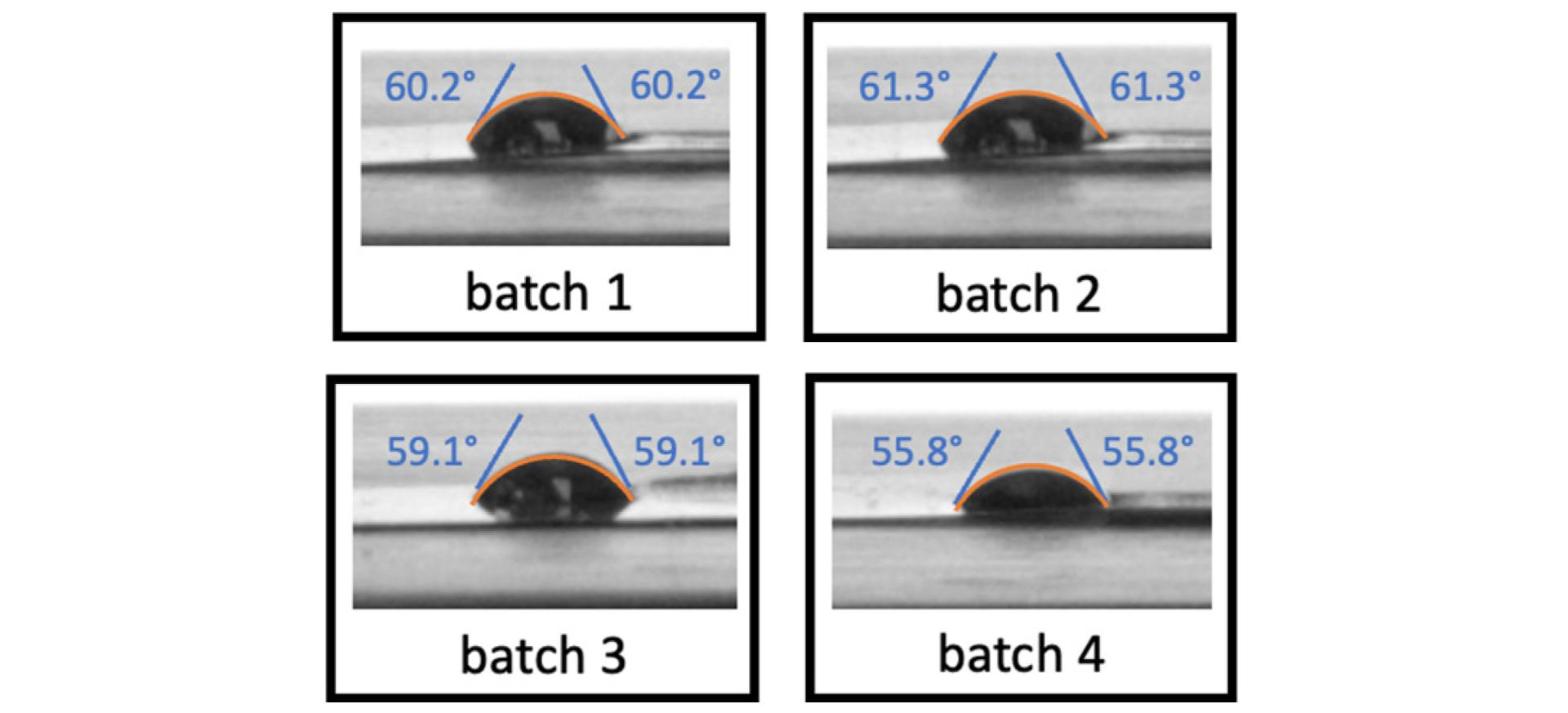
Fig. 1A, Tang, Moreira, Vanegas, Datta and McLamore, Micromachines 15 (2024) 874, CC BY 4.0, rearranged
Drop shape method validated against a KRUSS DSA100E in peer review Named as the Droplet Lab DROPOMETER-M in two papers 54 customer publications cite the Dropometer

The McLamore lab at Clemson University wrote graphene electrodes onto polyimide film with a CO2 laser, for food, water and plant sensors. Every batch had to match. Symmetric drop fitting failed on the rough graphene, so the lab used the Dropometer polynomial fit on 2 µL drops and turned contact angle into a batch check, reported in two papers and a thesis.

Dropometer images of 2 µL water drops on laser inscribed graphene electrodes from four batches, each with its polynomial fit and contact angle
Abhimanyu Photo
Written by
Abhimanyu Bhandankar
Holds an MBA from Schulich School of Business and a BE in IT. He joined Droplet Lab in July 2019 and now leads sales and marketing.
CEO at Droplet Lab
Read More
Gurdeep-Saini-Photo
Technical Review by
Gurdeep Singh Saini
Holds a BASc in Mechanical Engineering from Ryerson University (now Toronto Metropolitan University) and an MASc from York University. He develops the automatic edge and baseline detection behind the Dropometer's analysis.
COO at Droplet Lab
Read More
Abhimanyu Photo
Written By

Abhimanyu Bhandankar

CEO at Droplet Lab

Holds an MBA from Schulich School of Business and a BE in IT. He joined Droplet Lab in July 2019 and now leads sales and marketing.

Gurdeep-Saini-Photo
Reviewed By

Gurdeep Singh Saini

COO at Droplet Lab

Holds a BASc in Mechanical Engineering from Ryerson University (now Toronto Metropolitan University) and an MASc from York University. He develops the automatic edge and baseline detection behind the Dropometer's analysis.

Primary outcome: a laser batch problem made visible, then fixed

Contact angle variation across laser inscribed graphene electrodes

Bare LIG, 2 µL drops, polynomial fit, one operator (Micromachines 2024)

36 electrodes in one day >30%
Batches of nine, 30 min laser downtime <5%

When 36 electrodes were made in one day, contact angle varied by more than 30%. Made as four batches of nine with 30 min of laser downtime between batches, the variation fell to under 5%. Bare LIG read 58.6 ± 1.4° in DI water. The authors name laser maintenance, operating frequency and batch size as control factors for future protocols.

58.6 ± 1.4° bare LIG

Contact angle of bare laser inscribed graphene in DI water, 2 µL drops, polynomial fit.

78 ± 4° after platinum

Nearly 20% higher after nanoplatinum plating, so the coating made the surface more hydrophobic.

Up to 60% error avoided

Young Laplace fitting error on repeat tests of one LIG sample, which led the lab to the polynomial fit.

3 publications

Two peer reviewed papers (2024, 2026) and one MS thesis (2023) report Dropometer goniometry.

Executive Summary

Who

The McLamore lab, Department of Agricultural Sciences, Clemson University, South Carolina. The group builds electrochemical sensors on laser inscribed graphene (LIG) for food safety, water quality and plant health, including a virus aptasensor and an orthophosphate sensor for creek water.

Problem

LIG electrodes are made by a CO2 laser, and nobody had measured how much one batch differs from the next. The graphene surface is rough and porous, so symmetric Young Laplace drop fitting gave errors of up to 60% when the same sample was tested repeatedly.

Solution

A manual Dropometer with contact angle, surface tension and surface energy, bought in April 2021. The lab measured 2 µL sessile drops with the polynomial (non axisymmetric) fit in software version 1.4.0.10, used one operator, and archived every image.

Time to Value

13 April 2021: web inquiry. 14 April: live demo. 30 April: paid. 17 May: delivered. May 2023: MS thesis with Dropometer goniometry. 30 June 2024: batch study published (Micromachines). 3 March 2026: phosphate sensor paper (Sustainability Science and Technology).

Results

Contact angle showed that 36 electrodes made in one day varied by more than 30%. Batches of nine with laser downtime cut that to under 5%. Platinum plating raised the angle from 58.6° to 78°, and a 2026 study used the same method to screen polymer coatings for a phosphate sensor.

Highlights

>30% → <5%

Contact angle variation, one day vs batches

60%

Fit error avoided on rough graphene

17 days

From first inquiry to payment

3

Publications with Dropometer data

Clemson University, at a glance

Research focus

Electrochemical biosensors and chemosensors on laser inscribed graphene, for food safety, water quality and agriculture.

Products / applications

A virus aptasensor on LIG, a capacitive orthophosphate sensor for creek water, and LIG sensor chips with graphene working, counter and reference electrodes.

Measurement stage

Fabrication quality control and coating screening, before electrochemical testing.

Users

Graduate students and researchers in one group, with one operator running each batch study.

Materials and surfaces tested

Bare LIG on polyimide film, nanoplatinum plated LIG, and LIG coated with DADMAC, PolyDADMAC and GO PDDA.

Key constraints

Rough, porous graphene that defeats symmetric drop fitting; small electrode working areas; test liquids that act as mild surfactants.

The challenge: graphene electrodes that had to match, batch after batch

A simple laser process with a quality problem nobody had measured.

What the lab was building

The McLamore lab makes electrochemical sensors by writing graphene patterns onto polyimide film with a CO2 laser. The method is fast and cheap, and the lab used it for food, water and plant sensors. Scaling it up meant every electrode in a batch, and every batch, had to behave the same.

Why the surface is hard to measure

Laser inscribed graphene is rough and porous, so a drop on it is not symmetric. In preliminary tests, Young Laplace fitting, which assumes symmetry, gave errors of up to 60% when the same sample was measured several times in a row.

What was at stake

Variation in the graphene carries into every coating and every sensor built on it. In the same study, platinum plating raised electrochemical variation to 20% within groups and up to 40% across groups. Without a quick surface check, a drifting laser batch would only show up much later, in sensor data.

What success would require

A number per electrode that held up on a rough surface, in the liquids the sensors actually see, from DI water to plating solutions and buffers. It had to be fast enough to run on every electrode in a batch, and recorded well enough to publish.

The insight: fit the drop you actually have, then check every batch

What Was Deployed

Manual Dropometer with contact angle, surface tension and surface energy modules, delivered 17 May 2021 on a smartphone. The lab's papers name it the Droplet Lab DROPOMETER-M.

Method in the 2024 paper: electrodes mounted on the sample stage, a 2 µL drop pipetted onto the working area, a static image captured in sessile mode, and the angle calculated with the polynomial fit in software version 1.4.0.10. One operator ran all batches, and every image was archived.

The Origin

“We are looking to purchase an instrument within the next week”

Prof. Eric McLamore found Droplet Lab through a web search and filled in the contact form on 13 April 2021, asking for information as soon as possible. Quotes for the manual and automatic configurations went out the same day.

He asked three things: whether the system was modular, what the warranty covered, and how long shipping would take. A live demo followed on 14 April, and the next day he forwarded the quote to purchasing. Payment came through on 30 April, and the instrument arrived on 17 May 2021.

Decision Rationale

Start manual, keep the upgrade path open

Two configurations were quoted in April 2021.

Option A

Automatic configuration

Automatic drop dispensing for speed and coverage.

Not chosen. A dispenser can be added later.
Option B

Manual configuration with all three measurements

Contact angle, surface tension and surface energy, with drops placed by hand.

Chosen

An automatic dispenser adds speed and coverage. For this lab the deciding factors were control and records: one operator placing each drop by hand, a fixed 2 µL volume, and every image archived. Because the system is modular, a dispenser can still be added later.

Next Step

Making electrodes or coatings that need to match batch to batch?

Contact angle is a quick check on whether a new batch matches the last one. The Dropometer includes a polynomial fit for rough and uneven surfaces, with a drop shape method validated against a KRUSS DSA100E in peer review. Setup takes about 2 minutes. Book a 15 minute demo and bring a sample.

Before vs After

Metric Before After
Drop fitting Young Laplace (symmetric) fit, errors up to 60% on repeat tests of one sample Polynomial (non axisymmetric) fit used throughout
Batch size 36 electrodes in one day; contact angle varied by more than 30% Four batches of nine with 30 min laser downtime; under 5%
Drop volume 5 µL in the 2023 thesis 2 µL in the 2024 and 2026 papers
Test liquids 5 liquids in the thesis 7 liquids, from DI water to plating and redox solutions
Records Values reported without software details Software version 1.4.0.10 named; every image archived; Table S1 published
Coating screen No wetting data on sensor coatings GO PDDA above 120° and DADMAC below 45°, in triplicate (2026)

Rollout timeline

Timeline (high level)

April 2021: Inquiry and demo

  • Web inquiry on 13 April; manual and automatic quotes the same day
  • Live demo on 14 April; quote forwarded to purchasing on 15 April

April to May 2021: Purchase and delivery

  • Paid on 30 April, 17 days after the first inquiry
  • Delivered on 17 May 2021

June 2021: Setup

Setup videos and guides sent; manual Dropometer running on a smartphone

2021 to May 2023: Method development

  • Young Laplace fitting dropped after errors of up to 60% on LIG
  • Polynomial fit with 5 µL drops in five liquids; MS thesis in May 2023

2024: Batch study

  • 2 µL drops in seven liquids, one operator, images archived
  • Batch rule found: over 30% variation in one day, under 5% in batches of nine
  • Published in Micromachines on 30 June 2024; app update sent in June 2024

2025 to 2026: Coating screen

  • Same method used to compare four polymer coatings for an orthophosphate sensor
  • Published in Sustainability Science and Technology on 3 March 2026

Proof and validation: what the papers show, and what they do not

Test method

Sessile drop contact angle with the polynomial (non axisymmetric) fit. Seven liquids in 2024: DI water, MES, Tris and HEPES buffers, 2× isotonic bicarbonate buffer, platinum plating solution and ferri/ferrocyanide solution.

Sample size and operators

One operator, with each batch made on a separate day. Figure 1 reports n = 24 per group and n = 6 per batch, while the methods describe batches of nine, so the exact count per batch is unclear. The 2026 coating screen was run in triplicate.

Repeatability / reproducibility

Bare LIG: 58.6 ± 1.4° in DI water and 59.3 ± 2.6° in 2× isotonic buffer, varying by under 5% within batches. HEPES, MES and Tris: 6% to 8%. Platinum coated LIG: 78 ± 4° in DI and buffer, 63 ± 2° in HEPES, MES and Tris.

Notes / assumptions

The papers report precision, not accuracy against a reference instrument. The electrode count per batch differs between the methods and the figure legend. The 2023 thesis used 5 µL drops and reports no contact angle values in its text.

Outcomes to date

Measured Outcomes

>30% → <5%

Contact angle variation, one day vs batches

36 electrodes made in one day varied by more than 30%. Four batches of nine with 30 min of laser downtime varied by under 5%.

58.6° → 78°

Bare LIG vs platinum plated LIG

Nearly 20% higher in DI water and buffer after nanoplatinum plating, showing the coating made the surface more hydrophobic.

>120° vs <45°

Two sensor coatings compared

GO PDDA coated LIG read above 120° and DADMAC coated LIG below 45°, part of the screen that chose the coating for an orthophosphate sensor (2026).

Operational Outcomes

Batch rule

Make electrodes in batches of nine with laser downtime between them. The authors recommend laser maintenance, operating frequency and batch size as control factors.

One fit method

The polynomial fit became the standard for rough graphene across the thesis and both papers.

Sensor built on it

The GO PDDA orthophosphate sensor reached a 20 ± 4 ppb detection limit and was checked against EPA Method 365.3 on creek water. This is a lab result on the sensor, not a Dropometer measurement.

Financial Context

Bought within three weeks of the first inquiry

This page does not show the instrument price. The papers name NIH, NSF and USDA funding for the research.

Purchase · purchasing card

Paid on 30 April 2021, 17 days after the first inquiry.

Coverage · 3 measurements

Contact angle, surface tension and surface energy in one manual kit.

Output · 3 publications

Two peer reviewed papers and one MS thesis report Dropometer data.

Instrument pricing is available on request.

What's next

Delivered

Polynomial fit method for rough graphene (MS thesis, 2023)
Batch to batch variation study of LIG electrodes (Micromachines, 2024)
Coating screen for an orthophosphate sensor (Sustainability Science and Technology, 2026)

In Pilot

Invited to contribute drop images and metadata to Droplet Lab's open contact angle dataset (October 2026)

Next Step

Making electrodes or coatings that need to match batch to batch?

Contact angle is a quick check on whether a new batch matches the last one. The Dropometer includes a polynomial fit for rough and uneven surfaces, with a drop shape method validated against a KRUSS DSA100E in peer review. Setup takes about 2 minutes. Book a 15 minute demo and bring a sample.