

Contents

Surface tension tensiometer buyer's guide

Best Tensiometer for Dynamic Surface Tension

Inks, sprays and coatings form new surface in milliseconds, so the shortest surface age decides the instrument. This guide ranks three tensiometers, one per maker, on 9 weighted criteria and is plain about where our own instrument loses.

Scored 1 to 5 on 9 weighted criteria. Prices and specifications checked 25 October 2026. Made with Claude Opus 5.5 and reviewed by Droplet Lab.

Last reviewed 25 October 2026

Abhimanyu Photo
Written by
Abhimanyu Bhandankar
Holds an MBA from Schulich School of Business and a BE in IT. He joined Droplet Lab in July 2019 and now leads sales and marketing.
CEO at Droplet Lab
Read More
Gurdeep-Saini-Photo
Technical Review by
Gurdeep Singh Saini
Holds a BASc in Mechanical Engineering from Ryerson University (now Toronto Metropolitan University) and an MASc from York University. He develops the automatic edge and baseline detection behind the Dropometer's analysis.
COO at Droplet Lab
Read More
Abhimanyu Photo
Written By

Abhimanyu Bhandankar

CEO at Droplet Lab

Holds an MBA from Schulich School of Business and a BE in IT. He joined Droplet Lab in July 2019 and now leads sales and marketing.

Gurdeep-Saini-Photo
Reviewed By

Gurdeep Singh Saini

COO at Droplet Lab

Holds a BASc in Mechanical Engineering from Ryerson University (now Toronto Metropolitan University) and an MASc from York University. He develops the automatic edge and baseline detection behind the Dropometer's analysis.

The short answer

For dynamic surface tension, the KRÜSS BP100 bubble pressure tensiometer is our pick. It measures from 5 ms to 200 s of surface age. It is quote only. The SITA science line t100 is the runner up, from 15 ms, with a published accuracy of 1% of full scale.

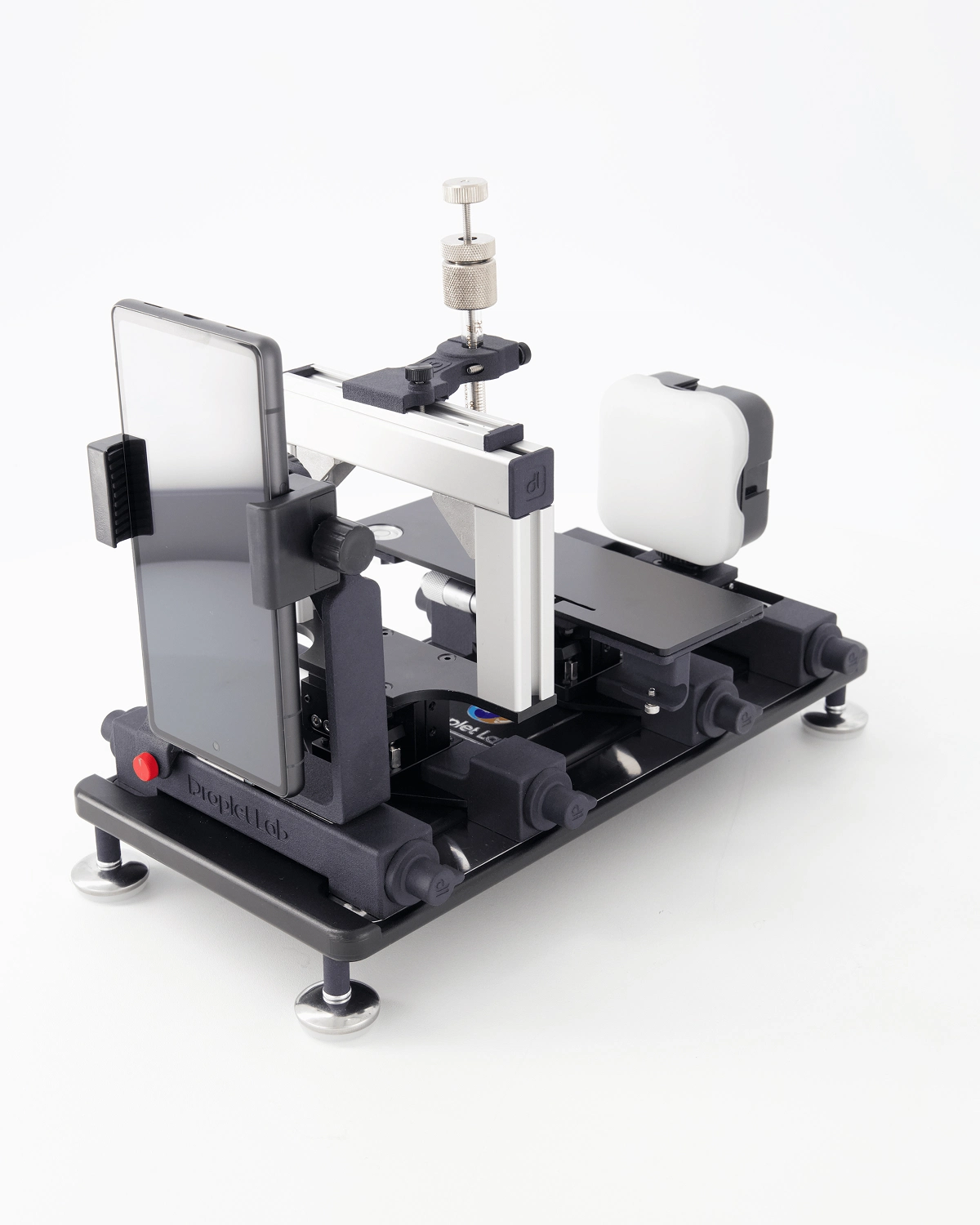
We make the Dropometer pendant drop tensiometer (US$4,990). It ranks third: at 10 frames a second it cannot see millisecond surface ages. It is the better buy for slow adsorption over seconds to hours. Read why you need dynamic surface tension and what time resolved pendant drop measures.

The ranking

Two bubble pressure tensiometers and an optical pendant drop tensiometer, one instrument per maker, ranked for dynamic work.

Pick by situation

  • If you need surface ages from 5 ms: KRÜSS BP100. The widest surface age range on this page.
  • If you want a published accuracy and a liquid range from −20 °C: SITA science line t100. From 15 ms.
  • If your surfactant or protein adsorbs over seconds to hours: Dropometer. Dynamic pendant mode at US$4,990.

Also checked and not ranked: the KRÜSS DSA25 follows a pendant drop with cameras to 2300 fps and adds interfacial tension, but KRÜSS publishes no pendant drop surface age; we rank one instrument per maker, and the BP100 is the KRÜSS pick for dynamic work. The KRÜSS BPT Mobile (10 to 30,000 ms), SITA DynoTester+ (15 to 30,000 ms) and DataPhysics MBP 200 (5 to 200,000 ms) are bubble pressure instruments, quote only. The LAUDA TVT 2 drop volume tensiometer publishes no shortest surface age. Biolin's Theta Pulsating Drop and the KRÜSS DSA30R measure interfacial rheology rather than surface age. ASTM D3825, which described maximum bubble pressure for dynamic surface tension, is withdrawn; see our ASTM D3825 page.

KRÜSS BP100

Top pick

KRÜSS BP100

Not published (quote only) · checked 25 October 2026 · KRÜSS BP100 brochure

3.53/ 5

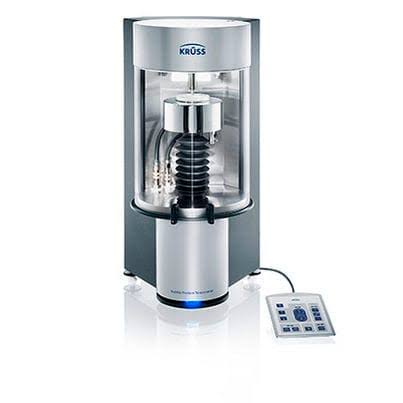
The BP100 measures dynamic surface tension by maximum bubble pressure, from 5 ms to 200 s of surface age. It wins on the shortest surface age. It loses on cost to buy and sample volume.

Where it wins

  • Surface age 5 to 200,000 ms
  • Range 10 to 100 mN/m, resolution 0.01 mN/m
  • Temperature −10 to 130 °C as an option
  • Sweeps surface ages in one run

Where it loses ground

  • Quote only
  • Minimum sample 15 mL
  • Surface tension only
  • KRÜSS states precision of 1%, not an accuracy figure
SITA science line t100

Runner up

SITA science line t100

Not published (quote only) · checked 25 October 2026 · SITA science line t100 page

3.43/ 5

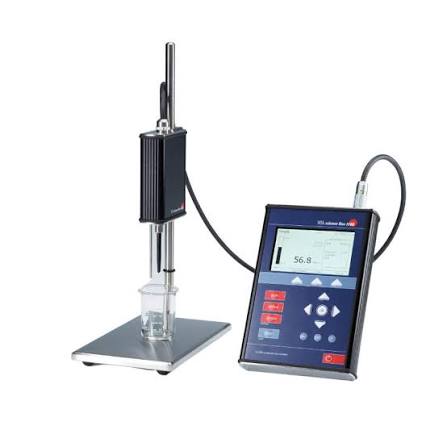
The t100 is a laboratory bubble pressure tensiometer from 15 ms to 100 s, with a published accuracy. It ranks second because its shortest surface age is 15 ms rather than 5 ms.

Where it wins

  • Surface age 15 to 100,000 ms
  • Accuracy max. 1% of full scale; reproducibility 0.5 mN/m
  • Liquid temperature −20 to 125 °C
  • Optional external burette for dosing

Where it loses ground

  • Quote only
  • Surface tension only
  • Resolution 0.1 mN/m
  • SITA states no minimum sample volume for this model
Dropometer pendant drop tensiometer: smartphone on a stage beside a pendant drop at a needle tip

Third

Dropometer

US$4,990 list price, base kit · checked 25 October 2026 · Droplet Lab quote configurator

3.27/ 5

The Dropometer pendant drop tensiometer records a pendant drop over time in its dynamic pendant mode. It ranks third because its camera runs at 10 frames a second, so it starts where bubble pressure stops. For adsorption over seconds to hours it is the lowest cost option here.

Where it wins

  • US$4,990, the only published price on this page
  • Dynamic pendant mode follows one drop for seconds to hours
  • A few microlitres of sample
  • Surface tension accuracy ±0.03 mN/m on its datasheet
  • Interfacial tension and contact angle in the same kit

Where it loses ground

  • 10 frames a second: no millisecond surface ages
  • Room temperature in the base kit; temperature control is a built to order upgrade, ask for range and lead time
  • Range up to 75 mN/m
  • Drop dosed by hand in the base kit; automatic dropper optional

How we arrived at these scores

Each option is scored from 1 to 5 on the same 9 criteria. A 3 means it meets what a lab measuring how fast surfactants reach a new surface needs; a 5 means it exceeds it. Weights reflect dynamic work, where the shortest surface age matters most and add to 100 percent. Multiply each score by its weight, add the rows and divide by 100: that is the headline score.

Weighted scorecard
CriterionWhat it measuresWeight (%)KRÜSS BP100SITA science line t100DropometerWhy these scores
Shortest surface ageHow soon after a new surface forms the instrument can read it54.51BP100 from 5 ms; t100 from 15 ms. A pendant drop needs time to form, and the Dropometer records 10 frames a second.
Long time scalesFollowing adsorption for minutes or hours3.535Bubble pressure stops at 200 s (BP100) or 100 s (t100). A pendant drop can be followed for as long as it hangs.
Published accuracyAccuracy or precision stated by the maker or a peer reviewed comparison33.54.5SITA states 1% of full scale. KRÜSS states 1% precision for the BP100. Dropometer: ±0.03 mN/m on its datasheet and a peer reviewed comparison with a KRÜSS DSA100E.
Hands on time per curveHow much of a full dynamic curve runs without you4.54.52.5Bubble pressure instruments step through surface ages in one run. The Dropometer base kit doses by hand; an automatic dropper is optional, and each drop is still one curve.
Temperature controlMeasuring at a set temperature4.54.53BP100 −10 to 130 °C optional; t100 −20 to 125 °C. Dropometer: room temperature in the base kit; temperature control is a built to order upgrade with no published range yet.
Sample volumeHow little liquid a measurement uses22.55BP100 needs at least 15 mL. SITA states no minimum for the t100. A pendant drop uses a few microlitres.
Measurement scopeOther measurements from the same instrument1.51.54.5Bubble pressure measures surface tension only. The Dropometer adds interfacial tension, contact angle and surface free energy.
Cost to buyPublished price you can budget against1.51.55Dropometer lists at US$4,990. The other two are quote only.
PortabilityMoving the instrument between labs224.5BP100 and t100 are lab instruments; KRÜSS and SITA sell separate mobile models. The Dropometer weighs 1 kg and runs on battery.
Weighted total / 53.533.433.27

Side-by-side specification comparison

The specifications that decide a dynamic surface tension purchase, from each maker's own pages and data sheets. Checked 25 October 2026.

SpecificationKRÜSS BP100SITA science line t100Dropometer
PriceQuote onlyQuote onlyUS$4,990 base kit
MethodMaximum bubble pressureMaximum bubble pressurePendant drop
Surface age range5 to 200,000 ms15 to 100,000 msFrom about a second (10 fps camera) to hours
Surface tension range10 to 100 mN/m10 to 100 mN/mUp to 75 mN/m
Resolution0.01 mN/m0.1 mN/m0.01 mN/m
Accuracy or precisionPrecision 1%Max. 1% of full scale±0.03 mN/m (datasheet)
Temperature−10 to 130 °C (optional)−20 to 125 °CRoom temperature in the base kit; built to order upgrade, ask for range
SampleAt least 15 mLNot statedA few µL

Verified on 25 October 2026

Sources: KRÜSS BP100 brochure, SITA science line t100, Dropometer product page. All checked 25 October 2026. When not to buy a Dropometer

  • Your process forms new surface in milliseconds, such as spraying, inkjet printing or fast coating. KRÜSS BP100
  • You test cleaning or plating baths at the line. A battery bubble pressure tester goes to the bath. Production QC guide
  • You need dynamic curves at set temperatures today. Our temperature control is a built to order upgrade, so ask for range and lead time first. Ask about temperature control
  • You report to a standard that names ring or plate. Dropometer vs du Noüy ring

Expert perspective

Not all contact-angle measurements are created equal: the right method depends on the application. A sessile drop and a tilted plate can give very different, and equally correct, numbers.

Dr. Alidad AmirfazliCo-founder and Scientific Advisor, Droplet Lab, Professor of Mechanical Engineering, York University

Frequently Asked Questions

What is dynamic surface tension?

It is the surface tension of a surface that has just formed, before surfactant has finished moving to it. It falls with surface age until it reaches the equilibrium value. Our surface tension measurement guide, glossary entry and article on dynamic surface tension explain why it matters for sprays and coatings.

Which method measures the shortest surface ages?

Maximum bubble pressure. The KRÜSS BP100 and DataPhysics MBP 200 start at 5 ms; SITA instruments at 15 ms. Optical pendant drop starts later, because the drop takes time to form.

Can a pendant drop tensiometer measure dynamic surface tension?

Yes, over seconds to hours. The Dropometer's dynamic pendant mode records one drop over time, which suits slow surfactants, proteins and polymers. It cannot reach millisecond surface ages. Follow our reproducible surface tension guide for those runs.

Is there a standard for dynamic surface tension?

ASTM D3825 described the maximum bubble pressure method and is now withdrawn. Most labs report the instrument, surface age range and temperature with each curve. See our ASTM D3825 page.

Which applications need millisecond data?

Spray coverage, inkjet and fast coating. Spray adjuvants are one example: see our drift reduction and adjuvant use case. Slow processes such as emulsion ageing can be followed by pendant drop.

What should I ask before buying?

Ask for the shortest and longest surface age, the accuracy (not resolution), the minimum sample volume, the temperature range and a dated quote. Compare totals rather than list prices.

References

1.
KRÜSS BP100 brochureSurface age, range, resolution, precision; checked 25 October 2026
2.
KRÜSS BPT Mobile technical dataSurface age, sample, battery; checked 25 October 2026
3.
SITA science line t100Surface age, range, accuracy, temperature; checked 25 October 2026
4.
SITA DynoTester+Handheld bubble pressure; checked 25 October 2026
5.
DataPhysics Instruments MBP 200 brochureSurface age and range; checked 25 October 2026
6.
KRÜSS DSA25 technical dataPendant drop range and camera speed; checked 25 October 2026
7.
LAUDA Scientific TVT 2Drop volume tensiometer; checked 25 October 2026
8.
Dropometer product page and specifications, Droplet LabPrice, range, accuracy, dynamic pendant mode; checked 25 October 2026
9.
Droplet Lab validation papersPeer reviewed comparisons with a KRÜSS DSA100E

See it on your own samples

Book a 15-minute consult and we will look at your surface age range on a call, or configure a kit and get a price.