Contents
Bonding and Adhesion Reliability

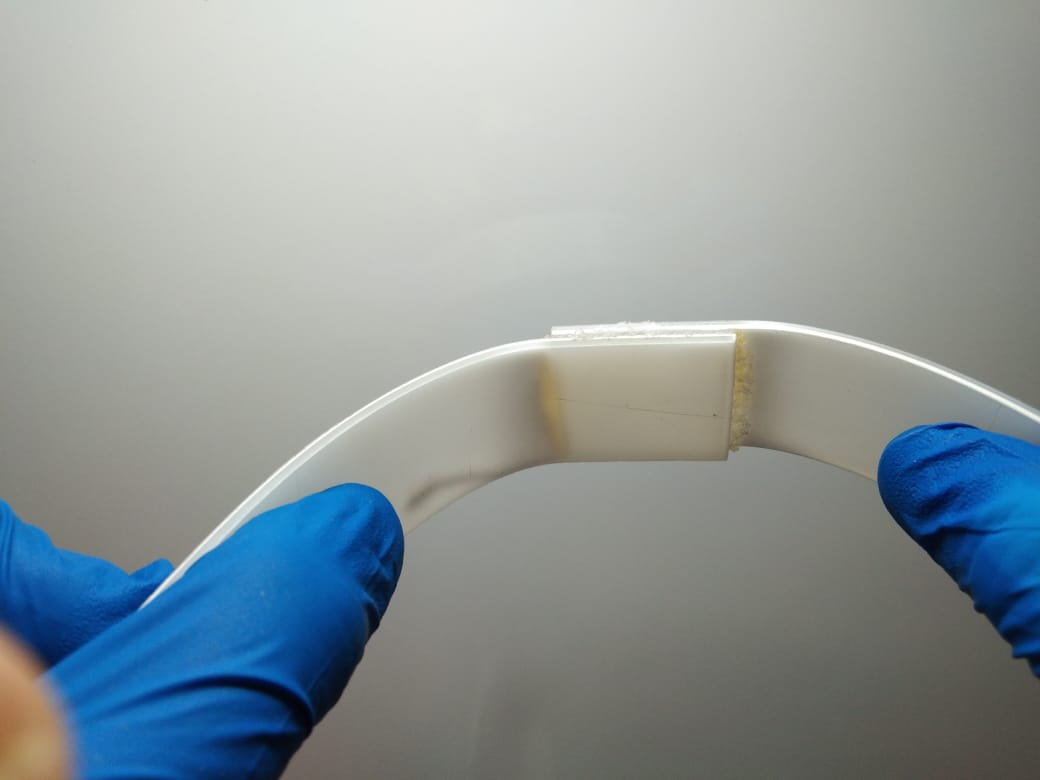
Bond Polypropylene (PP) Reliably: Adhesive Bond Failure Prevention with a Pre-Bond Surface Wetting Gate

Stop “won’t stick to polypropylene” surprises with a measurable surface readiness method

Ensure every polypropylene bond starts with a surface that is actually ready—combining the right adhesive for polypropylene, proper surface preparation, and a fast, quantitative wetting screen.

Who this is for: Process engineers, QA/QC teams, and manufacturing leaders responsible for bonding polypropylene (PP) or other low surface energy plastics where adhesion reliability is critical.

Positioning: Dropometer strengthens your adhesive bonding workflow. It does not replace bond strength testing—it adds a fast, quantitative surface screening method that prevents adhesive failure before assembly.

Last updated
February 12, 2026
Gurdeep-Saini-Photo
Written by
Gurdeep Singh Saini
Holds a BASc in Mechanical Engineering (Ryerson) and an MASc from York University. He focuses on the custom AI behind the instrument.
COO at Droplet Lab
Read More
Droplet-Lab logo
Technical Review by
Droplet Lab Team
Droplet Lab builds precision instruments and software for surface science measurement, specialising in contact angle analysis and surface tension characterisation. Used by researchers across materials science, pharmaceuticals, coatings, and advanced manufacturing, Droplet Lab's Dropometer has contributed to studies published in peer-reviewed journals including Advanced Functional Materials (Impact Factor 19). The team combines instrument engineering with deep domain knowledge in wettability science with a focus on practical accuracy.

Read More
Gurdeep-Saini-Photo
Written By

Gurdeep Singh Saini

COO at Droplet Lab

Holds a BASc in Mechanical Engineering (Ryerson) and an MASc from York University. He focuses on the custom AI behind the instrument.

Droplet-Lab logo
Reviewed By

Droplet Lab Team

Droplet Lab builds precision instruments and software for surface science measurement, specialising in contact angle analysis and surface tension characterisation. Used by researchers across materials science, pharmaceuticals, coatings, and advanced manufacturing, Droplet Lab's Dropometer has contributed to studies published in peer-reviewed journals including Advanced Functional Materials (Impact Factor 19). The team combines instrument engineering with deep domain knowledge in wettability science with a focus on practical accuracy.


QC-Ready Summary

What this workflow does and what it does not

Quick technical reference for engineers and QA managers evaluating fit before reading further.

Evidence Box (QC-Ready)

Problem this solves

Unreliable polypropylene adhesive bonds due to undetected surface issues—especially on low surface energy (LSE) plastics like PP.

Dropometer role in workflow

A line-side surface measurement system that verifies wettability before applying adhesive or glue.

Primary outputs

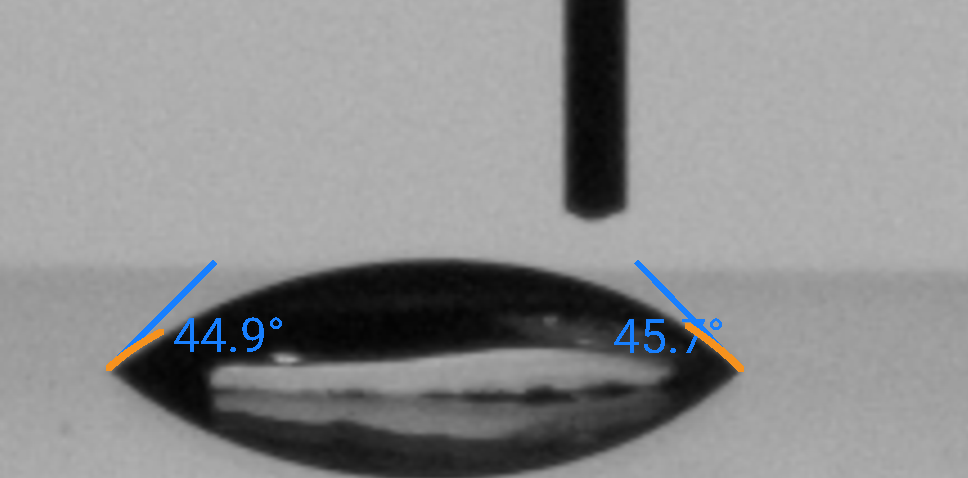
Static, advancing, and receding contact angle measurements
Surface energy trend analysis (Fowkes, van Oss–Good, EOS models)
Repeatable digital data with traceability

Calibration requirement

You must correlate surface measurements to real bond strength outcomes (peel, lap shear, etc.).

Protocol defaults

Fixed droplet volume (down to 0.05 µL)
Fixed capture time
≥5 replicates per zone
Median + IQR reporting

Known limitations

Contact angle is a screening indicator, not direct bond strength
PP exhibits hydrophobic recovery
Rough plastic surfaces increase variability

Use-case navigator

What are you trying to solve?

Choose the operating problem first. This lets you frame the rest of the workflow around throughput pressure, failure investigation, or pre-bond quality control.

workflow fit

Is this the right screen for your process?

This is not a universal solution. Check the conditions below before investing further time.

Good fit if

Less relevant if

Executive Summary

What this page helps you decide quickly

Polypropylene has a low surface energy, making it inherently difficult to bond. Its non-polar molecular structure and chemical resistance mean standard adhesives often fail unless proper surface preparation and activation are applied.

This use case introduces a pre-bond surface screening method that enables you to:

  • Detect contamination and poor surface treatment
  • Control time-to-bond after activation
  • Reduce variability in adhesive performance

Result:
More consistent strong bond formation, fewer failures, and faster troubleshooting across industries like automotive manufacturing and plastic assembly.

Bonding Polypropylene Fails Late

Many teams struggle to bond polypropylene effectively because PP is a low surface energy plastic. Even when using the best adhesive or polypropylene glue, small variations in surface condition can lead to failure.

Adhesive won’t stick to polypropylene Inconsistent bond strength across batches Failures after curing or in field use Increased defects with delay after plasma or corona treatment Disputes between cleaning, adhesive selection, and process teams

Why It Happens

Why:

  • Polypropylene is non-polar and chemically inert

How to detect:

  • High contact angle even after cleaning

Corrective action:

  • Use surface activation (plasma, corona, flame) + adhesives designed for LSE substrates

Why:

  • Uneven treatment leads to partial wetting

How to detect:

  • High variability (IQR) across surface area

Corrective action:

  • Improve treatment coverage and consistency

Why:

  • Activated PP reverts to low-energy state over time

How to detect:

  • Increasing contact angle with time delay

Corrective action:

  • Control time-to-bond window

Why:

  • Oils, mold release, dust, handling

How to detect:

  • Localized high contact angle spots

Corrective action:

  • Standardize cleaning and handling

Why:

  • Incorrect adhesive chemistry or cure conditions

How to detect:

  • Good wetting but poor bond strength

Corrective action:

  • Review adhesive selection (e.g., structural acrylic, epoxy, or specialist adhesive for PP)

Not sure which root cause applies to your process?

A surface science specialist can review your failure history and help you identify whether a surface screen would add a useful upstream gate.

For Compliance Officers and QA Managers

Building a defensible pre-bond inspection record

Surface readiness measurement produces the type of numeric, traceable output that subjective visual methods cannot. If your quality system requires documented evidence of process control at each stage for NCR responses, CAPA files, incoming inspection records, or supplier audits contact angle measurement provides that evidence in a format your QA documentation already requires.

What to Measure

Contact Angle

Why it matters: Direct indicator of surface wettability

How to interpret: Lower angle = better wetting

When it is not enough: Not equal to bond strength

Not equal to bond strength

Why it matters: Detects uneven treatment

How to interpret: High IQR = inconsistent surface

When it is not enough: Doesn’t identify contamination type

Contact Angle Hysteresis

Why it matters: Indicates surface heterogeneity

How to interpret: Higher hysteresis = contamination or roughness

When it is not enough: Not chemical-specific

Surface Energy

Why it matters: Helps differentiate intrinsic vs contaminated surfaces

How to interpret: Trend-based, not absolute threshold

When it is not enough: Requires controlled conditions

Validated Measurement Approach

Independent benchmarking and publication-based validation references.

Benchmark Validation

Fixed droplet volume and timing Standardized lighting and setup Golden control sample each run Digital data storage and traceability

See peer-reviewed validation

Publication Evidence

Our instruments are referenced in peer-reviewed journals, theses, and conference publications.

Browse citations

How Dropometer Fits Your Workflow

Step-by-Step Method to Bond Polypropylene Effectively

1

Establish baseline for your PP surface

2

Measure immediately after surface treatment

3

Monitor time-to-bond effects

4

Gate parts before adhesive application

5

Use data to troubleshoot failures

We completed our gage R&R study on the unit and it performed very well.

Brandon Barbee

Corporate Quality Engineer - Zeus Industries - Polymer Manufacturing

Download the Pre-Bond Surface Screening SOP Template

An editable SOP template your team can adapt for your substrate, adhesive, and preparation route. Includes measurement protocol, gate-setting guidance, and a QC log format ready for your documentation system.

QC-Ready Quick Protocol (SOP Card)

Simple checklist for pre-bond release gating

Goal: Prevent adhesive failure before bonding by screening surface readiness and triggering corrective actions before assembly.

Sample Handling

  • Enforce no-touch zones and glove/fixture rules
  • Record time since surface prep and storage conditions

Setup

  • Level part and lock lighting/fit settings
  • Include a known-good control coupon every run

Measurement

  • Run fixed droplet volume at fixed timepoint
  • Measure multiple zones when failures are intermittent
  • Record median + IQR per zone

Release Rules

  • PASS: proceed to bonding
  • MONITOR: hold + re-clean/re-treat
  • FAIL: stop + troubleshoot

Decision Tree (Triage)

It shows whether the surface is wetting the test liquid consistently enough to support your site-defined pre-bond screening criteria.

Pitfalls + Limits

Use these guardrails when communicating and operationalizing results

No universal “contact angle threshold” for PP
Surface recovery can invalidate measurements
Water is a proxy—not the adhesive itself
Environmental conditions affect results

Use wetting metrics as an upstream quality gate, then confirm final suitability with your established bond-strength acceptance tests.

How this page was created

Editorial and technical transparency notes for this page.

Transparency Details 4 checklist items
01

Drafting assistance

Initial draft created with AI assistance (ChatGPT 5.2 Pro), then rewritten for technical clarity.

02

Technical review

Reviewed and edited for technical accuracy by a surface-science specialist.

03

Verification steps

Identifiers, units, thresholds, and key claims checked against cited sources before publication.

04

Updates

Reviewed every 12 months or when the underlying standard changes.

Report a correction

Spotted an issue in this summary? Send a correction request and our team will review it.

Correction Request

We work hard to keep this standards summary accurate and up to date. If you spot an error (wrong revision/year, missing requirement, incorrect interpretation, or broken link), tell us and we'll review it.

Contact us to report a correction
References

References

1.
Contact-angle-derived surface property measurement is widely used to support wetting and adhesion interpretation when correlated to performance outcomes.
2.
Bond failures are commonly driven by surface preparation/contamination and cure-control issues rather than adhesive chemistry alone.