



Contents
Case Study

A shared facility at Harvard University added one Dropometer its users had asked for. Five labs used it in seven publications in under three years.

Last Updated
October 18, 2026
Industry
University shared research facility
Location
Cambridge, Massachusetts, USA
Customer since
March 2023
Published with the Dropometer
7 publications from 5 labs
Image credit
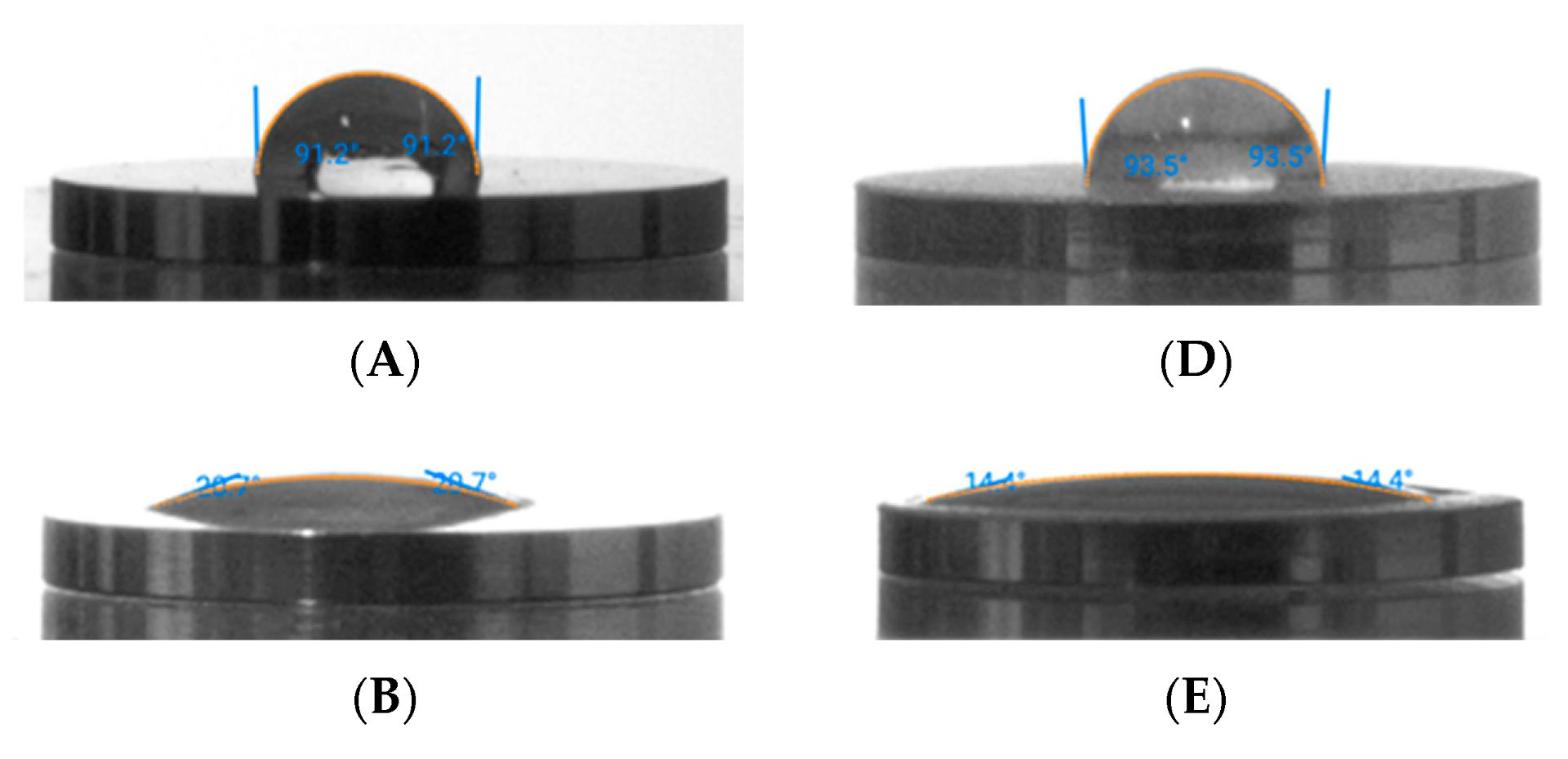
Fig. 5A, B, D, E, Ho, Shiba, Chen and Kim, Biomimetics 10 (2025) 571, CC BY 4.0, cropped
Drop shape method validated against a KRÜSS DSA100E in peer review Used by five labs across Harvard University Two peer reviewed validation papers: Review of Scientific Instruments and Colloids and Surfaces A

Harvard University's Center for Nanoscale Systems runs instruments for researchers across the university. Users kept asking for surface tension and surface energy measurement, and the only option was a colleague's home built setup. In March 2023 the facility added a Dropometer, bought through the university's own purchasing system. By 2025 five labs had used it for emulsions, lipid vesicles, dental implants, elastomers, films and hydrogels.

Saline drops on machined and rough titanium discs before and after plasma treatment, with Dropometer contact angle fits
Abhimanyu Photo
Written by
Abhimanyu Bhandankar
Holds an MBA from Schulich School of Business and a BE in IT. He joined Droplet Lab in July 2019 and now leads sales and marketing.
CEO at Droplet Lab
Read More
Gurdeep-Saini-Photo
Technical Review by
Gurdeep Singh Saini
Holds a BASc in Mechanical Engineering from Ryerson University (now Toronto Metropolitan University) and an MASc from York University. He develops the automatic edge and baseline detection behind the Dropometer's analysis.
COO at Droplet Lab
Read More
Abhimanyu Photo
Written By

Abhimanyu Bhandankar

CEO at Droplet Lab

Holds an MBA from Schulich School of Business and a BE in IT. He joined Droplet Lab in July 2019 and now leads sales and marketing.

Gurdeep-Saini-Photo
Reviewed By

Gurdeep Singh Saini

COO at Droplet Lab

Holds a BASc in Mechanical Engineering from Ryerson University (now Toronto Metropolitan University) and an MASc from York University. He develops the automatic edge and baseline detection behind the Dropometer's analysis.

Primary outcome: one shared instrument, a clear before and after on implant surfaces

Saline contact angle on titanium discs, before and after plasma treatment

Harvard University School of Dental Medicine, five discs per surface type (Biomimetics, 2025)

Machined, before plasma 83.1°
Machined, after plasma 24.1°
Rough, before plasma 77.3°
Rough, after plasma 15.7°

A dental research group at Harvard University used the facility's Dropometer to measure how plasma treatment changed the wettability of titanium implant discs. On machined discs the saline contact angle fell from 83.1° to 24.1°. On rough discs it fell from 77.3° to 15.7°. The same five discs of each type were measured before and after a 30 second plasma treatment, and both changes were significant at p < 0.0001.

7 publications

Theses and peer reviewed papers from five labs, April 2024 to October 2025, all using the facility's one Dropometer.

12 to 61.5 mN/m

Interfacial tension of lipid solutions in mineral oil against buffer across four lipids, n = 3; the authors saw higher vesicle yield at lower tension (Advanced Functional Materials, 2025).

98.4° to 125° water

Water contact angle rose with fluorine content in UV responsive silicone elastomers, about 5 µL drops, five measurements per sample (Macromolecules, 2025).

13 months to first paper

From delivery on 10 March 2023 to the first publication on 1 April 2024.

Executive Summary

Who

The Center for Nanoscale Systems (CNS) is Harvard University's shared facility for nanoscale fabrication and characterisation, used by researchers from many departments. A Materials Characterization Scientist looks after the characterisation instruments and supports their users.

Problem

Several users asked for surface tension and surface energy measurement. The facility had no tensiometer, and a colleague's home built setup covered occasional needs. The purchase had to go through Harvard University's own purchasing system, and purchasing preferred to stay below the capital equipment threshold.

Solution

A Dropometer configured for surface tension and surface energy, delivered on 10 March 2023 and set up by the facility scientist within two weeks. Users ran pendant drop interfacial tension and sessile drop contact angle on it, analysing images in Droplet Lab software, OpenDrop or ImageJ.

Time to Value

8 November 2022: first inquiry. 14 November 2022: on hold, a colleague's setup in use. 8 February 2023: decision to buy. 9 February 2023: Droplet Lab registered as a university supplier. 10 March 2023: delivered. 21 March 2023: surface tension running. 1 April 2024: first publication. 27 August 2025: implant paper (Biomimetics).

Results

Seven publications from five labs, from April 2024 to October 2025: interfacial tension for fluorinated emulsions and lipid vesicles, and contact angle on titanium implants, silicone elastomers, biopolymer films and hydrogels. On machined titanium, plasma treatment cut the saline contact angle from 83.1° to 24.1°.

Highlights

7

Publications using the facility's Dropometer

5

Labs that used it

83.1° → 24.1°

Machined titanium after plasma

30 days

From decision to delivery

Harvard University Center for Nanoscale Systems, at a glance

Research focus

A university wide shared facility for nanoscale fabrication and characterisation, serving many research groups.

Products / applications

Fluorinated emulsions and microcapsules, lipid vesicles for mRNA delivery, dental implant surfaces, self healing silicone elastomers, biodegradable packaging films and regenerative hydrogels.

Measurement stage

Research characterisation, from screening surfactants and lipids to checking a surface treatment.

Users

Graduate students, postdocs and undergraduates from several labs, supported by a facility scientist.

Materials and surfaces tested

Fluorinated and mineral oils with surfactants or lipids, titanium discs, silicone elastomers, chitosan and silk films, gelatin hydrogels.

Key constraints

Many users with different methods; purchase through the university's own system; below the capital equipment threshold.

The challenge: many labs asking for one measurement the facility did not have

A shared instrument has to serve very different samples, methods and budgets.

What the facility needed

Users of the Center for Nanoscale Systems asked for surface tension measurement and surface energy. Emulsion and vesicle groups also needed interfacial tension between oil and water. The facility had no tensiometer. A colleague's home built setup could cover occasional needs, but not regular demand from several labs.

Why a shared instrument is harder

Each lab brings different samples and habits. In the papers that followed, liquids ranged from saline and water to fluorinated oil and lipid solutions, and analysis ran in three different software tools. One instrument had to handle pendant drops for emulsion stability work and sessile drops on implants, films and gels. Shared use also puts weight on sample preparation and contamination control, since many users load their own samples.

What was at stake

A facility instrument has to be easy to buy and easy to support. The purchase had to go through Harvard University's Buy2Pay system, and staying below the capital equipment threshold kept the approval simple. Without it, biotechnology and materials groups would keep borrowing a home built setup. Our guide to the best tensiometer for surfactant and CMC research covers the same choices.

What success would require

A single instrument that covers surface tension, interfacial tension and contact angle, that a facility scientist can set up and support, and whose data holds up in peer review across very different fields. Oil and water interfacial tension is the property behind ASTM D971, which uses a ring rather than a pendant drop. New users can start with our oil and water interfacial tension experiment, our guide to surfactants and our CMC reference values for common surfactants.

The insight: one portable instrument can serve many labs' surface questions

What Was Deployed

The Dropometer contact angle and surface tension kit, delivered configuration (10 March 2023): a portable drop shape instrument configured for surface tension and surface energy, bought through Harvard University's Buy2Pay purchasing system. The facility scientist set it up in March 2023, with an onboarding call and video guides from Droplet Lab. Users ran pendant drop interfacial tension and sessile drop contact angle. Seven publications report data from it:
The Origin

“A surface energy measurement tool that a number of users have requested”

Dr. Nick Colella, a Materials Characterization Scientist at the Center for Nanoscale Systems, first contacted Droplet Lab on 8 November 2022. He wanted surface tension and surface energy for facility users. Two quotes went out the next day.

On 14 November he put the purchase on hold: a colleague had a home built setup the facility could use for now. He added that with more continuous demand, the facility would likely buy a system.

That demand came. On 8 February 2023 he wrote that he wanted to buy, through Harvard University's Buy2Pay system. Telling purchasing why, he described the Dropometer as a surface energy tool that a number of users had requested. Droplet Lab registered as a supplier the next day, the purchase order followed on 21 February, and the instrument arrived on 10 March 2023.

Decision Rationale

Buy for the users who kept asking, and keep purchasing simple

Three options were on the table between November 2022 and February 2023.

Option A

Keep using a home built setup

A colleague's setup covered occasional measurements.

Not chosen once several users asked for the measurement.
Option B

The fuller quoted configuration

The higher of the two configurations quoted in November 2022.

Not chosen.
Option C

A slightly reduced feature set

Surface tension and surface energy, bought through Buy2Pay and kept below the capital equipment threshold.

Chosen

The facility chose a slightly reduced feature set that still covered surface tension and surface energy, which was what users asked for. It kept the purchase below the capital equipment threshold and inside the university's normal purchasing route. The cost of that choice was features from the fuller quote. A modular system means those can still be added later.

Next Step

Running a shared facility whose users keep asking for surface measurements?

One Dropometer covers pendant drop surface and interfacial tension, contact angle and surface energy, so very different labs can share it. The drop shape method is validated against a KRÜSS DSA100E in peer review, and setup takes about 2 minutes. Book a 15 minute demo and bring samples from your users.

Before vs After

Metric Before After
Tensiometer access for facility users A colleague's home built setup Dropometer in the shared facility from March 2023
Saline contact angle, machined titanium, before and after plasma 83.1° 24.1°
Saline contact angle, rough titanium, before and after plasma 77.3° 15.7°
Interfacial tension, lipid in mineral oil against buffer, DODMA vs POPS 61.5 ± 3.5 mN/m 12 mN/m
Perfluorohexane and water interfacial tension, no additive vs PVA in water About 30 mN/m About 17 mN/m
Publications using the facility's Dropometer 0 7 from 5 labs (2024 to 2025)

Rollout timeline

Timeline (high level)

November 2022: Inquiry and quotes

  • Facility scientist asks for surface tension and surface energy
  • Two quotes sent on 9 November; purchase on hold on 14 November

February 2023: Decision

  • 8 February: decision to buy for users who had requested the tool
  • 9 February: Droplet Lab registered in Buy2Pay; purchase order on 21 February

March 2023: Delivery and setup

  • Shipped 2 March, delivered 10 March
  • Set up on 20 March; surface tension running after a calibration fix on 21 March
  • Onboarding call and video guides from Droplet Lab

2023 to 2024: Support

  • Email support from Droplet Lab as software questions came up
  • Latest issue closed in April 2024

April 2024: First publication

Undergraduate thesis on biodegradable chitosan and silk films, with water contact angle on wax coated films

October 2024 to October 2025: Six more

  • Hydrogels (Bioactive Materials), microcapsule PhD thesis, lipid vesicles (Advanced Functional Materials)
  • Fluorinated emulsions (Lab on a Chip), titanium implants (Biomimetics), silicone elastomers (Macromolecules)

Proof and validation: what the papers show, and what they do not

Test method

Pendant drop interfacial tension: perfluorohexane and water with and without additives (Lab on a Chip, 2025), and lipid solutions in mineral oil against buffer with a Young Laplace fit (Advanced Functional Materials, 2025). Sessile drop contact angle: saline on titanium discs, water on silicone elastomers, biopolymer films and hydrogels.

Sample size and operators

Each lab ran its own measurements. Lipid interfacial tension: mean ± SD, n = 3. Titanium: five machined and five rough discs, each measured before and after plasma. Elastomers: five measurements per sample. Hydrogels: n = 3 with 16 µL drops. Films: four to six samples per group.

Repeatability / reproducibility

DODMA lipid interfacial tension 61.5 ± 3.5 mN/m (n = 3). Titanium contact angle changes significant at p < 0.0001 for both surface types. Several papers report means without a spread.

Notes / assumptions

Labs analysed images in different tools: Droplet Lab software, OpenDrop and ImageJ. The microcapsule thesis and its Lab on a Chip paper report different absolute interfacial tensions for the same systems, so this page uses only the paper's values and conclusion. The dental paper credits a Droplet Lab tensiometer but adds an unrelated company name; Harvard University has only one Dropometer, the facility's unit.

Outcomes to date

Measured Outcomes

83.1° → 24.1°

Machined titanium after plasma treatment

Rough titanium fell from 77.3° to 15.7°. Both changes were significant at p < 0.0001 on five discs each, measured before and after treatment (Biomimetics, 2025).

12 to 61.5 mN/m

Interfacial tension across four lipids

Lipid solutions in mineral oil against buffer, n = 3, from POPS (lowest) to DODMA (61.5 ± 3.5 mN/m). The authors observed that lower interfacial tension went with higher vesicle yield (Advanced Functional Materials, 2025).

About 30 to 17 mN/m

Perfluorohexane and water, with PVA

Lowering interfacial tension alone did not stop droplets merging; only the combined surfactant and PVA system gave lasting stability (Lab on a Chip, 2025).

Operational Outcomes

Shared access

Five labs from engineering, dental medicine, medicine and undergraduate research used one facility instrument.

Simple purchasing

Droplet Lab registered as a Buy2Pay supplier in one day, and the instrument arrived 30 days after the decision to buy.

Published output

Seven publications from April 2024 to October 2025: five journal papers and two theses.

What's next

Delivered

Implant surface plasma treatment study (Biomimetics, 2025)
Lipid vesicles for mRNA and protein delivery (Advanced Functional Materials, 2025)
Fluorinated emulsion surfactant (Lab on a Chip, 2025) and microcapsule PhD thesis (2025)
Silicone elastomers (Macromolecules, 2025), muscle regeneration hydrogels (Bioactive Materials, 2025) and a chitosan and silk film thesis (2024)

In Pilot

Facility users invited in October 2026 to share drop images in Droplet Lab's open dataset

Frequently asked questions

Can one Dropometer serve many labs in a shared facility?

At Harvard University's Center for Nanoscale Systems, five labs used one Dropometer in seven publications from April 2024 to October 2025. They ran pendant drop interfacial tension for emulsions and lipid vesicles, and sessile drop contact angle on implants, elastomers, films and hydrogels.

How long did the purchase take?

The facility decided to buy on 8 February 2023, through Harvard University's Buy2Pay system. Droplet Lab was registered as a supplier the next day, and the instrument arrived on 10 March 2023. Surface tension was running by 21 March.

What did plasma treatment do to titanium implants?

In a 2025 Biomimetics paper, plasma treatment cut the saline contact angle on machined titanium from 83.1° to 24.1°, measured on five discs per surface type.

Next Step

Running a shared facility whose users keep asking for surface measurements?

One Dropometer covers pendant drop surface and interfacial tension, contact angle and surface energy, so very different labs can share it. The drop shape method is validated against a KRÜSS DSA100E in peer review, and setup takes about 2 minutes. Book a 15 minute demo and bring samples from your users.