Surface Tension of Inhalation Formulations: Pendant Drop Checks for Aerosol, Nebulizer and Inhaler Liquids, and Pulmonary Surfactant Mechanics
Surface tension is one of the liquid properties that shapes how an inhalation formulation breaks into droplets in a nebulizer, nasal spray or spray dryer. Measure it by pendant drop at the formulation bench, alongside viscosity and droplet size testing, so excipient and surfactant changes are seen before device tests.
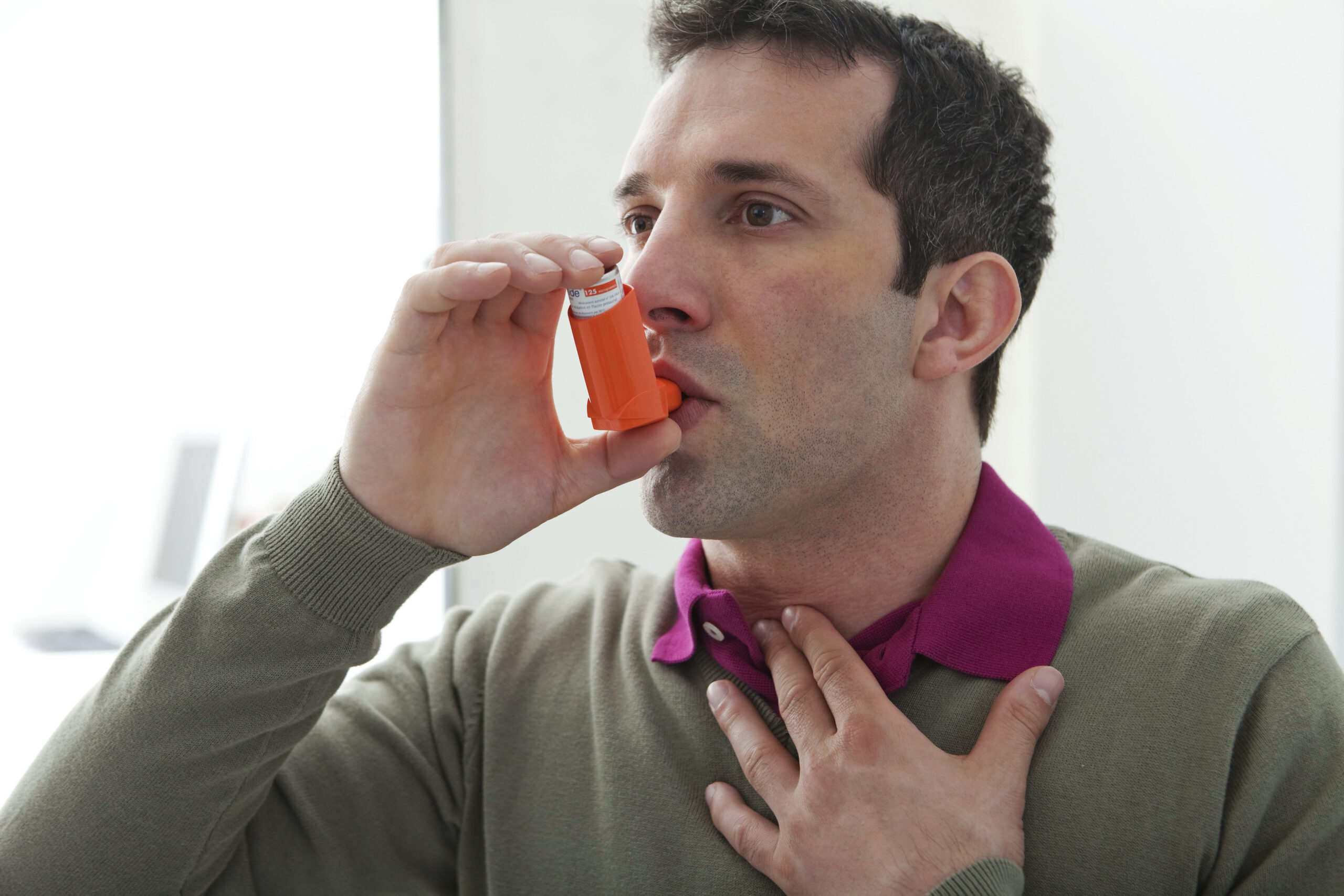
Who this is for: Formulation scientists and CDMOs developing nebulizer solutions, nasal sprays, soft mist liquids and spray drying feeds for dry powder inhalers, and pulmonary surfactant researchers.
Where it fits: Excipient and surfactant screening, batch comparison of liquid formulations, and spray drying feed checks before droplet size and device testing.
What it does not do: It does not measure droplet size, aerodynamic diameter or delivered dose, and it is not a lung function or clinical test.
Droplet Lab Team
Droplet Lab builds precision instruments and software for surface science measurement, specialising in contact angle analysis and surface tension characterisation. Used by researchers across materials science, pharmaceuticals, coatings, and advanced manufacturing, Droplet Lab's Dropometer has contributed to studies published in peer-reviewed journals including Advanced Functional Materials (Impact Factor 19). The team combines instrument engineering with deep domain knowledge in wettability science with a focus on practical accuracy.
Why surface tension matters for inhaled medications
70 to under 1 mN/m
is the range lung surfactant spans: the surface tension of water near body temperature is about 70 mN/m, and clinical surfactants reached minimum values below 1 mN/m on compression.
Possmayer et al., Chem. Rev. 2023; Xu, Li and Zuo, Am J Physiol Lung, 2023
Surface tension named
by FDA among formulation characteristics, with viscosity, density and rheology, that matter when choosing the container closure for nasal and inhalation sprays.
FDA guidance, nasal spray and inhalation solution, suspension and spray drug products, 2002
Sources: World Health Organization, Asthma fact sheet; Possmayer F. et al., Pulmonary surfactant: a mighty thin film, Chemical Reviews, 2023; Xu X., Li G., Zuo Y.Y., American Journal of Physiology Lung Cellular and Molecular Physiology, 2023; US FDA, Nasal spray and inhalation solution, suspension, and spray drug products: chemistry, manufacturing, and controls documentation, 2002. Figures come from these sources, not from Droplet Lab measurements.
What this inhalation formulation check does and what it does not
A quick reference for inhalation formulation teams checking fit before reading further.
Evidence Box
Excipient, surfactant or concentration changes that shift a formulation's surface tension, seen only later in droplet size or spray dried particle results.
FDA guidance names surface tension among formulation characteristics for nasal and inhalation sprays; droplet size itself is tested by laser diffraction or cascade impaction.
The Dropometer drop shape method was validated against a KRUSS DSA100E in two peer reviewed papers, in Review of Scientific Instruments and Colloids and Surfaces A.
A pharmaceutical CDMO measures surface tension at the formulation bench to steer spray dried droplet and particle size, measuring in house within about ten weeks of first enquiry.
Pulmonary surfactant researchers use drop shape methods such as constrained drop surfactometry to measure surface tensions from about 70 down to below 1 mN/m.
Surface tension is one of several drivers of droplet size. Viscosity, density and the device matter as much.
What inhalation formulation question are you trying to answer?
Pick the card closest to your role. Each one points to the part of this page that answers it.
Formulation scientist
You develop nebulizer solutions and suspensions, nasal sprays or soft mist liquids, and change surfactants, salts, saline strength or cosolvents. Surface tension at each step shows how much the liquid changed before you run droplet size tests.
Spray drying or CDMO team
You make spray dried powders for a dry powder inhaler, with or without a carrier, or other particulate products. Feed surface tension tracks how excipient and surfactant changes will shift atomized droplet size, particle size and surface area, as one CDMO does.
Pulmonary surfactant researcher
You study lung surfactant biophysics, surfactant preparations or their aerosol delivery. Pendant drop gives equilibrium and adsorption surface tension at the bench; compression cycling needs a dedicated surfactometer.
Is this the right check for your inhalation work?
It measures the surface tension of the liquid. It does not measure the aerosol.
Good fit if
Less relevant if
How surface tension supports inhalation formulation work
The answer in under a minute.
Measure the surface tension of each liquid inhalation formulation or spray drying feed by pendant drop, at a fixed drop age and temperature. It shows how excipient and surfactant changes alter the liquid that the nebulizer, spray or atomizer must break up. Confirm the effect with droplet size testing.
The Dropometer pendant drop tensiometer runs the measurement. Our pendant drop method entry and surface tension measurement guide explain the method. A pharmaceutical CDMO uses it to steer spray dried particle size, and our pharmaceutical guide covers wider formulation work.
Why surface tension matters in pulmonary drug delivery
Inhaled medicine for asthma, obstructive lung disease, cystic fibrosis and respiratory infection depends on pulmonary drug delivery: making droplets or particles of the right size, so that inhaled medications deposit within the lungs rather than in the mouthpiece, throat or trachea. Patients inhale the aerosol, and aerosol penetration from the central airways to the small airways and peripheral lung depends on the size of the particles delivered; the airway surface liquid and mucus then govern clearance and absorption. Nebulizers, nasal sprays, soft mist inhalers and spray dryers all start with a liquid, and how that liquid breaks into droplets depends on its surface tension, viscosity and density as well as the device. FDA guidance for nasal and inhalation sprays names surface tension among the formulation characteristics that matter, and droplet size distribution is tested by laser diffraction or cascade impaction. Small formulation changes, a new surfactant, salt level or cosolvent, can shift surface tension and with it droplet formation, as one CDMO found for spray dried powders. The lung itself is a surface tension problem too. Pulmonary surfactant, a film of phospholipid and surfactant proteins, causes a decrease in alveolar surface tension from about 70 mN/m for water to very low values on compression. Surfactant preparations, many of bovine or porcine origin, are given by instillation to the preterm infant and studied as aerosolized therapy, and plasma proteins such as serum albumin can inhibit them. Teams need a quick, small volume surface tension measurement at the formulation bench, before slower droplet size and device tests.
Why inhalation formulation results shift and what to check
Why:
- Surfactants and some excipients lower surface tension, which changes how the liquid breaks into droplets.
How to detect:
- Surface tension differs between old and new formulations at the same drop age.
Corrective action:
Measure surface tension against concentration, and check droplet size on the shortlist. Our CMC assessment page covers surfactant curves.Why:
- Surfactants take time to reach a fresh surface, so atomization sees a higher dynamic surface tension than equilibrium.
How to detect:
- The reading keeps falling over seconds to minutes.
Corrective action:
- Record surface tension over drop age and compare early and late values.
Why:
- Viscosity and density also drive droplet size, sometimes more than surface tension.
How to detect:
- Droplet size changes while surface tension stays the same.
Corrective action:
- Measure viscosity and density with every formulation change.
Why:
- Nebulizer type, mesh condition and spray actuation change droplet size directly.
How to detect:
- The same formulation gives different droplet sizes on different devices.
Corrective action:
- Test formulations on one device, and treat device changes separately.
Why:
- Surface tension falls as temperature rises, and spray drying feeds may be heated.
How to detect:
- Readings vary with room or feed temperature.
Corrective action:
- Measure at a fixed temperature close to use conditions.
Why:
Drop age, density values and contamination change readings. Our guide to reproducible surface tension measurement covers fair comparisons.How to detect:
- A reference liquid reads differently between sessions.
Corrective action:
- Write the method down and measure water or a reference solution each session.
Not sure surface tension explains your droplet size change?
Send two formulations and their droplet size data, and we will look at them with you on a call.
What an inhalation formulation surface tension record contains
Each measurement produces a record you can file with the formulation batch, beside viscosity and droplet size results. It can feed into your existing development records.
Formulation and batch
Formulation version, batch, surfactant and excipient levels, and saline or buffer strength.
Method settings
Temperature, density, drop age at reading and number of drops.
Readings
Surface tension per drop, the median and spread, and the curve over drop age.
Linked tests
Viscosity, density and droplet size or particle size results for the same batch.
Decision
Proceed to device testing, adjust the formulation, or investigate.
Drop images
Automatic edge and baseline detection gives the same reading from the same image, so a reviewer can recheck any result.
What to measure on an inhalation formulation
Surface tension at a fixed drop age
Why it matters: It compares how much each formulation lowers surface tension.
How to interpret: Compare with the previous formulation and with water or saline measured the same way.
When it is not enough: It does not predict droplet size on its own.
Surface tension over drop age
Why it matters: Atomization creates fresh surface in milliseconds, before surfactants fully adsorb.
How to interpret: A slow fall suggests the spray sees a higher tension than the equilibrium value.
When it is not enough: Pendant drop cannot reach millisecond surface ages.
Surface tension against surfactant concentration
Why it matters: It shows where extra surfactant stops lowering surface tension.
How to interpret: Use the curve to set surfactant levels with a margin.
When it is not enough: It does not show effects on drug stability.
Viscosity, density and droplet size
Why it matters: Together with surface tension they explain droplet formation.
How to interpret: Change one property at a time where you can.
When it is not enough: Device tests remain the final check.
Validated measurement approach for formulation surface tension
How the Dropometer itself has been validated, and where pharmaceutical teams have used it.
Peer reviewed method
The Dropometer drop shape method is published in Review of Scientific Instruments and Colloids and Surfaces A. Contact angle was validated against a KRUSS DSA100E, with a published accuracy of 0.35°.
See the validation papersCustomer evidence in spray dried formulation
A pharmaceutical contract development and manufacturing organisation turns client drug substances into solutions and spray dried powders. Its scientists found small excipient changes shift a formulation's surface tension and with it the droplet and particle size from the spray dryer. In 2025 they added a Dropometer and were measuring in house within about ten weeks.
Read the case studyHow to measure surface tension of inhalation formulations
Six steps per formulation. Repeat for each excipient, surfactant or concentration change.
Lock the method
Fix temperature, drop volume, drop age at reading and the number of drops for each formulation type.
Check the reference
Measure water or saline and compare with our reference values for common liquids.
Measure the formulation
Form a pendant drop of the formulation from a clean capillary needle and record surface tension over drop age.
Repeat and record
Repeat the set number of drops and record the median at the locked drop age.
Compare versions
Compare with the previous formulation, and assess it in combination with viscosity and density for the same batch.
Confirm with droplet size
Send the shortlist to droplet size or particle size testing. Our guide to the best tensiometer for production QC covers routine use.
We completed our gage R&R study on the unit and it performed very well.
Brandon Barbee
Corporate Quality Engineer, Zeus Industries, Polymer Manufacturing
Download the inhalation formulation surface tension SOP
A two page SOP you can adapt for your formulations, with the method lock, drop age, reference checks, a troubleshooting table and a record sheet.
Pendant drop surface tension measurement with the Dropometer
Example surface tension log for nebulizer formulation versions
Example data only. Your values will differ and must be confirmed with your own droplet size testing.
Adding surfactant lowered surface tension; version C lowered it most but kept falling with drop age, so the spray may see a higher value than the equilibrium reading. The droplet size column comes from laser diffraction on the same batches, not from the tensiometer.
Example inhalation formulation surface tension log
| Version | Change | Surface tension at 5 s (mN/m) | Surface tension at 120 s (mN/m) | Droplet size change | Decision |
|---|---|---|---|---|---|
| Reference | Saline only | 72 | 72 | Reference | Reference |
| A | Low surfactant | 58 | 52 | Small | Keep |
| B | Medium surfactant | 50 | 44 | Moderate | Keep |
| C | High surfactant | 54 | 36 | Larger than expected | Investigate |
| D | Cosolvent added | 61 | 60 | Small | Keep |
Example data, not customer data. Saline based formulations at 25 °C; median of 3 drops; early value at 5 s, equilibrium at 120 s.
The order to check signals on a formulation
Check these in order. Each one rules out a cause before you look at the next.
Method and reference
Rules out temperature, density and contamination errors.
Equilibrium surface tension
Shows how much the formulation changed.
Curve over drop age
Shows how fast surfactants adsorb.
Viscosity and density
Rules out the other liquid drivers of droplet size.
Droplet size test
Confirms the effect; our page on lipid vesicle manufacturing yield covers a related interface method.
Common questions about surface tension in inhaled medications
Questions inhalation formulation teams ask about surface tension.
It is one of the drivers, with viscosity, density and the nebulizer itself. Lower surface tension usually makes a liquid easier to break into droplets, but the size you get also depends on the device and its settings. Measure surface tension as part of the formulation picture, and confirm droplet size by laser diffraction or cascade impaction.
FDA guidance for nasal spray and inhalation solution, suspension and spray products lists surface tension among formulation characteristics, with viscosity, density and rheology, relevant to the container closure system. Droplet size distribution and aerodynamic size are tested separately. Surface tension is a development tool here, not a release test on its own.
The mechanism is simple: sprays and nebulizers create fresh surface very quickly, before surfactants fully adsorb, and this adsorption phenomenon takes time. A formulation that reaches low surface tension only after a minute may behave like a higher tension liquid during atomization. Pendant drop shows the trend from seconds onward; faster methods are needed for millisecond surface ages.
For equilibrium and adsorption surface tension, yes. Surfactant preparations adsorb to about 22 to 25 mN/m at equilibrium, Zuo reported. The very low values, below 5 mN/m, appear only under compression cycling, which needs a dedicated captive bubble or constrained drop surfactometer rather than a pendant drop tensiometer.
The feed's surface tension affects how the atomizer forms droplets, which sets particle size and shape. A pharmaceutical CDMO measures feed surface tension at the formulation bench to steer particle size before spray drying runs. Measure at the feed temperature and solids content you will spray.
Only a single pendant drop per reading, tens of microlitres, plus enough for repeats. That suits early formulation work with costly drug substance. Clean the needle between formulations so surfactant carry over does not lower the next reading.
Yes. A surface tension curve against concentration shows where surfactant stops lowering surface tension, the critical micelle concentration. Our page on the FDA 510(k) surface tension appendix describes how FDA uses such curves for contact lens care products, a different product class.
A pendant drop tensiometer with temperature control and drop age tracking. The Dropometer does this at the bench with small volumes. Our production QC buying guide compares options, and our surfactants and emulsions hub covers related formulation pages.
What changes when you measure formulation surface tension
Typical changes in how teams work. Benchmarks are given only where a published source exists.
Before and with formulation surface tension checks
| Metric | Before Dropometer | With Dropometer | Indicative Benchmark |
|---|---|---|---|
| Formulation screening | Droplet size test for every version | Surface tension first, device tests on the shortlist | No published benchmark; track on your own projects |
| Spray drying feeds | Particle size seen after the run | Feed surface tension checked before the run | CDMO in house measurements within about ten weeks of enquiry (case study) |
| Regulatory dossier | Surface tension not recorded | Surface tension recorded with viscosity and density | Named among formulation characteristics in FDA nasal and inhalation guidance (2002) |
| Sample use | Large volumes for device tests | Single drops for screening | No published benchmark; track on your own lab |
See the measurement on your own formulations
Send two formulation versions. We will show the comparison on a call.
Estimate saved formulation screening work
Enter your own numbers. The result is an estimate, not a Droplet Lab claim.
Inhalation formulation screening estimate
Estimate saved formulation screening work.
Result
Monthly savings = materials saved + technician time saved from reduced iterations.
What surface tension cannot tell you about an inhaled medication
Honest limits, so you know when to reach for another test.
Pendant drop surface tension describes the liquid before it is atomized. Droplet size, aerodynamic diameter, delivered dose, deposition, which is measured by imaging and clinical studies, and any clinical effect or efficacy need their own tests.
Evidence and related formulation workflows
These pages cover the customer evidence, the regulatory context and related surfactant and formulation checks.
Standard
FDA 510(k) surface tension appendix
How FDA describes surface tension curves for contact lens care products.
Case study
Pharmaceutical CDMO
Surface tension to steer spray dried particle size.
Instrument
Dropometer
Pendant drop surface and interfacial tension.
Related use case
Surfactants, CMC, emulsions and foams
All interface use cases in one place.
Related use case
Lipid vesicle manufacturing yield
Interfacial tension to rank lipids.
Related use case
CMC assessment and surfactant efficiency
Critical micelle concentration by surface tension.
Guide
Pharmaceutical guide
Surface science for pharmaceutical teams.
How this page was created
Editorial and technical transparency notes for this page.
Drafting assistance
Drafted with Claude Opus 5.5 (Anthropic) using web search for sources, then edited by the Droplet Lab team.
Technical review
Reviewed and edited for technical accuracy by the Droplet Lab Team.
Verification steps
Standard identifiers, units, thresholds and key procedural claims are checked against cited sources before publication.
Updates
Reviewed every 12 months or when the underlying method changes.
Report a correction
Spotted an issue in this summary? Send a correction request and our team will review it.
Correction Request
We work hard to keep this page accurate and up to date. If you spot an error (wrong revision/year, missing requirement, incorrect interpretation, or broken link), tell us and we'll review it.
Contact us to report a correction