Use caseRead the use case
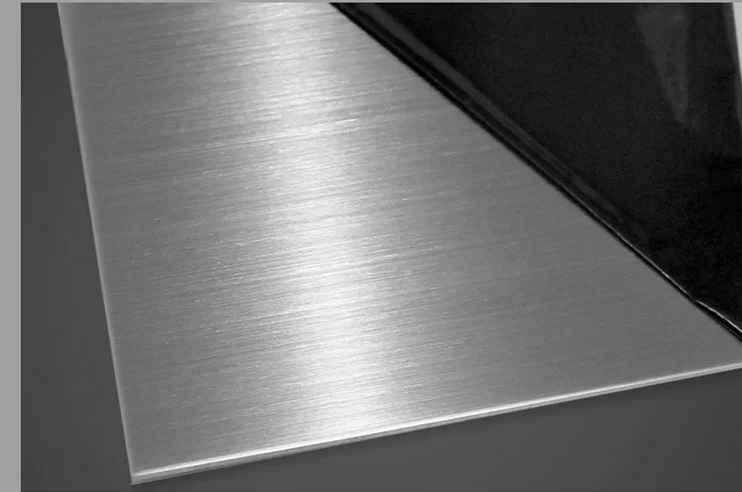
Water contact angle on prepared aluminum panels and brackets, checked against joints that passed, catches poor surface preparation before bonding in rail and vehicle builds.

Industry guide


This is a practical guide to surface science for teams working in the Transportation industry.
In this guide: the four measurements that matter, where they decide yield in Transportation, and the standards, use cases and studies behind them.
How transport engineers use contact angle, dynamic contact angle, sliding angle and surface tension on coatings, metal surfaces and battery materials. Each topic links to a use case or a standard.
A high contact angle shows that a surface repels water, but not that drops will run off. Sliding angle and contact angle hysteresis answer that second question, which matters for rain, spray and ice.
Ranking coatings and surface treatments on flat coupons narrows the field before costly rig and road testing. A wetting check before bonding catches poor surface preparation while the part can still be cleaned again.
ISO 19403-6 describes dynamic contact angle by changing drop volume, giving advancing and receding angles and hysteresis. ISO 19403-7 describes roll off angle on a tilt stage. Neither sets pass limits, so build them from your own parts.
Measure both contact angle and sliding angle when a surface must shed water or ice. Start with the coating or bond that fails most often, then book a 15-minute consult about testing it on your own coupons.
In transportation, many coating and bonding problems come down to how water and other liquids meet a surface. A repellent coating that beads water but holds drops in place does not clear. A bond on a poorly prepared metal surface can fail after assembly.
Water contact angle on prepared aluminum panels and brackets, checked against joints that passed, catches poor surface preparation before bonding in rail and vehicle builds.
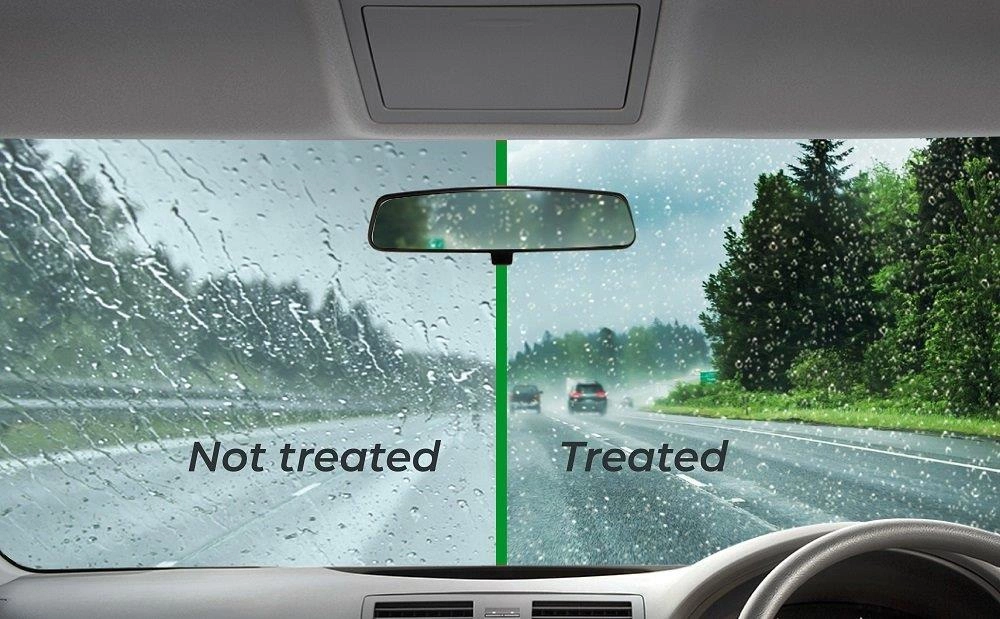
Windshield Rain Repellent Performance
Static contact angle, sliding angle and hysteresis show whether a windshield rain repellent still clears water after wiper, washer fluid, UV and cold cycles.
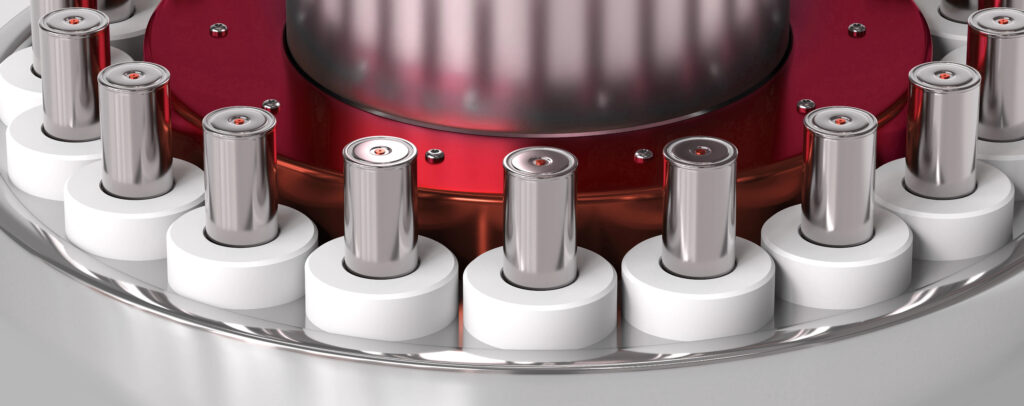
Electrolyte Wetting Optimization And Additive Selection
Pendant drop surface tension of electrolytes and contact angle on separators and electrodes help rank additives for lithium ion cells before long wetting and formation runs.
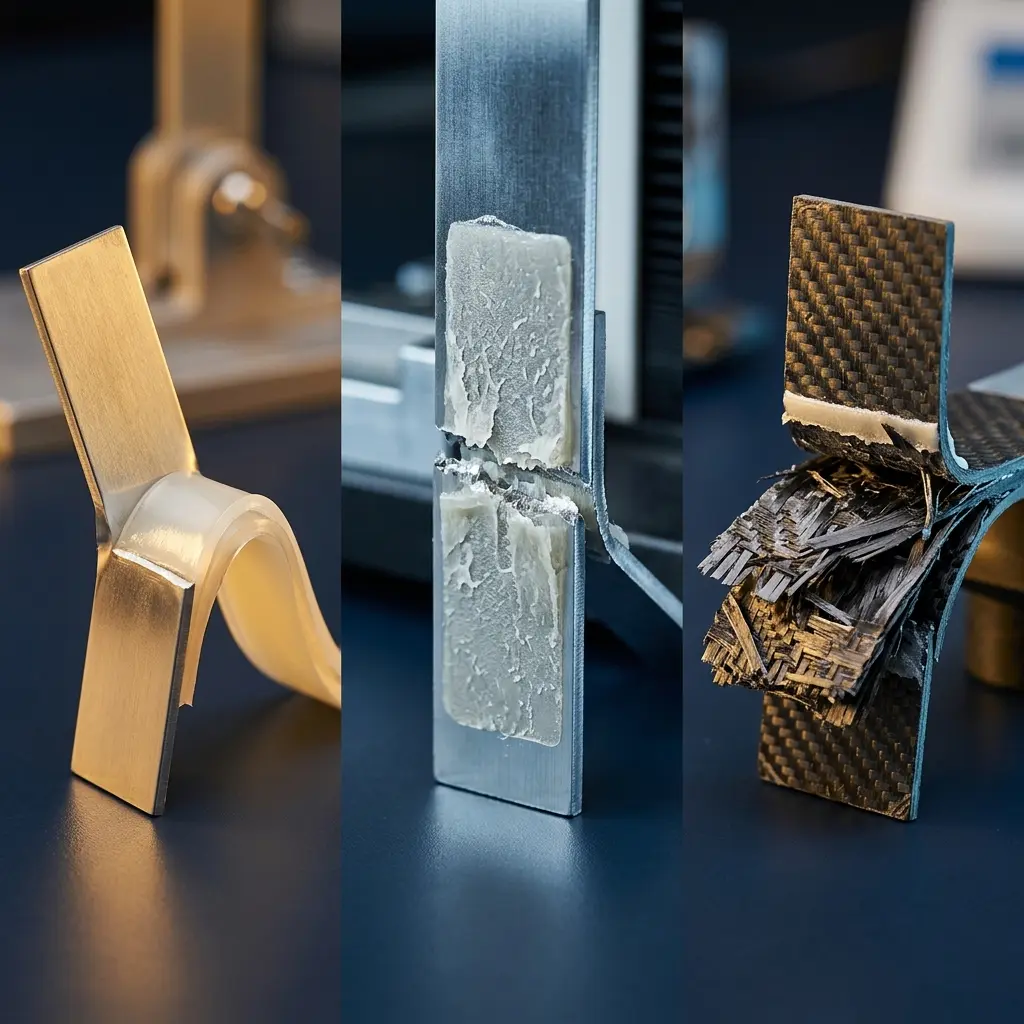
Prevent Adhesive Failure Before Bonding
Lot by lot water contact angle and surface free energy, compared with a good bond baseline, catch contamination or faded treatment before rail car, bus or trailer panels are bonded.
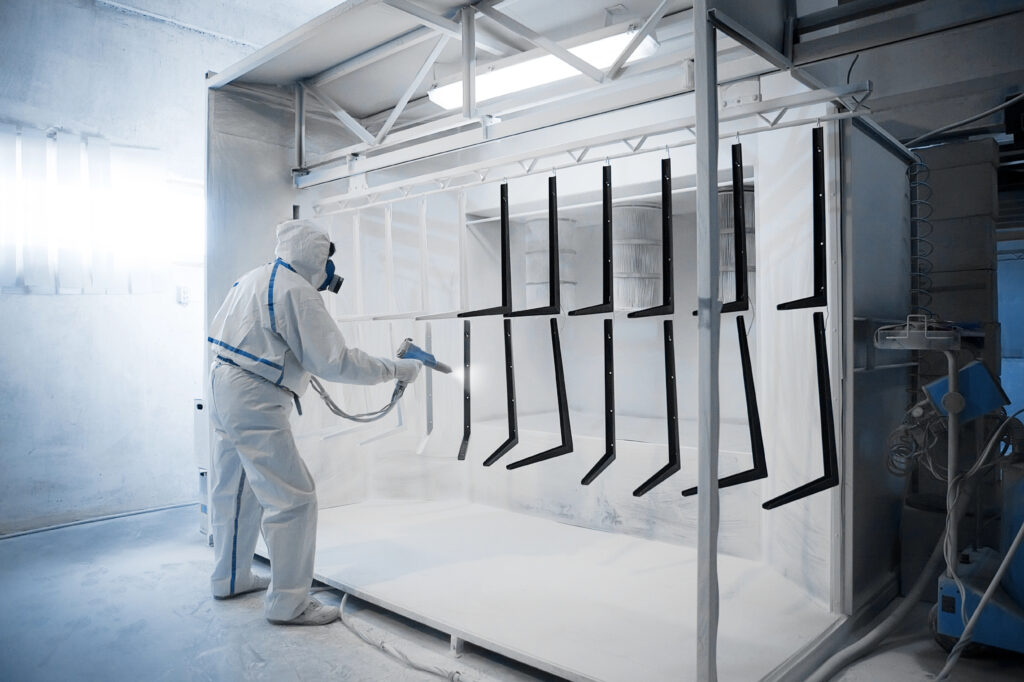
Powder Coat Adhesion Failure and Peeling Issues
Water contact angle after pretreatment flags oil or residue on steel and aluminium car bodies, frames and parts before painting or powder coating, with a tape test kept as the adhesion check.
Fisheye, Crater, and Paint Coating Defects
Substrate water contact angle and paint surface tension by pendant drop show whether silicone, wax, grease or air line oil is behind dewetting defects on rail and bus paint lines.
Surface Energy and Wetting Checks on Large Parts
Rail car shells and trailer panels are too big for a stage, so teams read contact angle and surface energy through a fixture, a custom mount or witness coupons from the same run.
Glass Cleaning Validation And Verification
Water contact angle at a fixed time after cleaning flags residue films on windshields and side glazing before primers or adhesives go on, while the glass can still be recleaned.
Ranking anti icing coatings for exposed transport surfaces
A university research group developing anti icing coatings for aircraft and rail surfaces measures water contact angle, hysteresis and sliding angle on flat coated coupons. The readings rank candidate coatings before the best few go to icing tests, and repeat readings after abrasion show which coatings keep their repellency.
Example scenarios show typical situations. They are not individual customer reports.
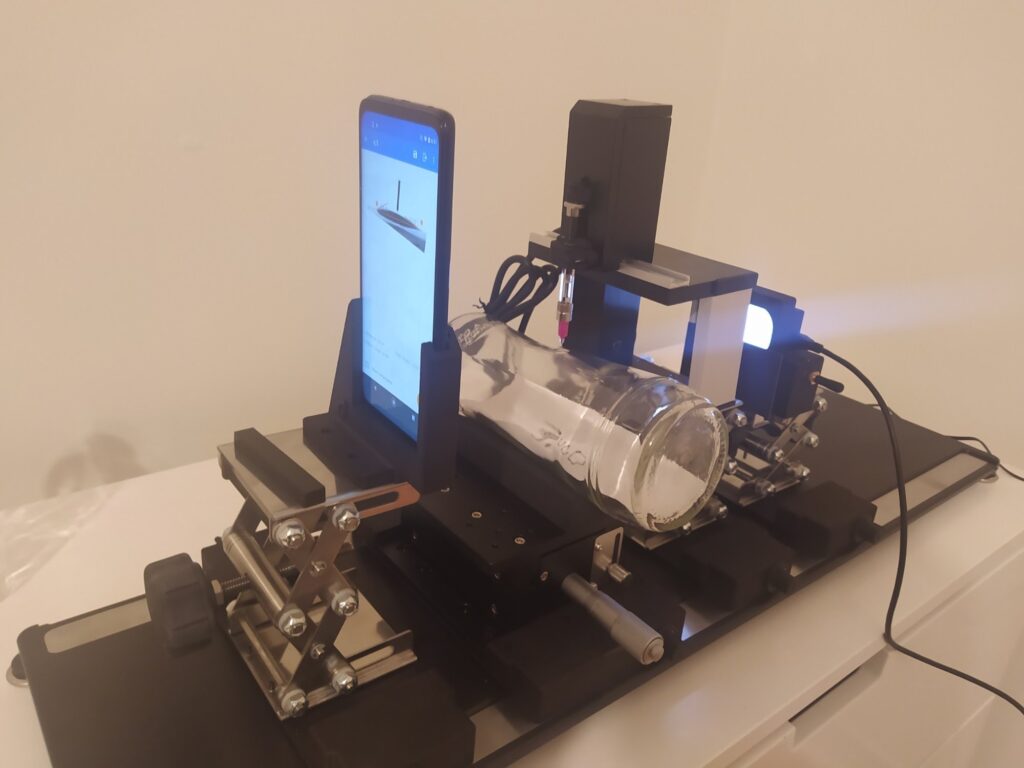
The Dropometer drop shape analysis kit measures contact angle, surface and interfacial tension, surface free energy and sliding angle with one portable setup. Its method was validated against a KRUSS DSA100E in two peer reviewed papers. If you are new to the terms, start with wettability.
A dot means the measurement is the main check for that problem.
| Problem | Contact angle | Surface and interfacial tension | Surface energy | Sliding angle |
|---|---|---|---|---|
| Bond Aluminum Reliably | ||||
| Windshield Rain Repellent Performance | ||||
| Electrolyte Wetting Optimization And Additive Selection | ||||
| Prevent Adhesive Failure Before Bonding | ||||
| Powder Coat Adhesion Failure and Peeling Issues | ||||
| Fisheye, Crater, and Paint Coating Defects | ||||
| Surface Energy and Wetting Checks on Large Parts | ||||
| Glass Cleaning Validation And Verification | ||||
| Ranking anti icing coatings for exposed transport surfaces Example |
Not sure which test you need? Start with how to choose a wettability testing method.
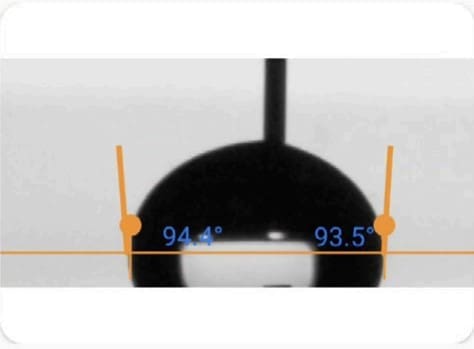
The angle a liquid drop makes where it meets a solid, in degrees. A low angle means the liquid spreads; a high angle means it beads. Use static angles for quick checks, and advancing and receding angles on real, rough or patchy surfaces, where one static value can mislead.
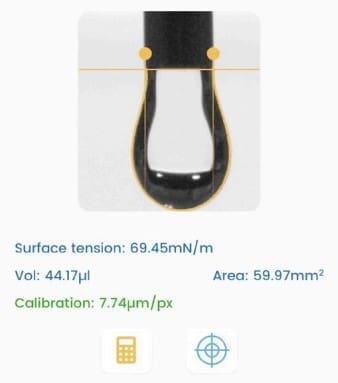
The force at a liquid surface that pulls it to the smallest area, in mN/m. The Dropometer measures it from the shape of a hanging (pendant) drop, and interfacial tension from a drop of one liquid inside another. Use static values for batch checks and dynamic values when interfaces form fast.
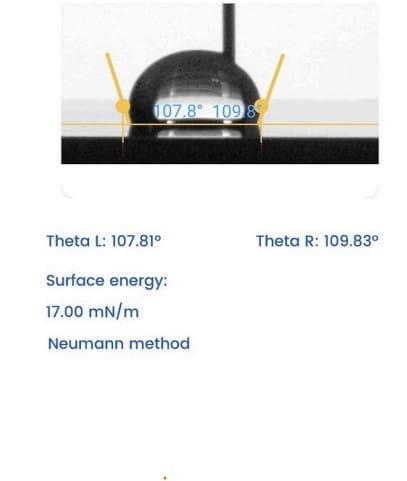
The energy needed to create new solid surface, in mJ/m². It is worked out from contact angles of two or more probe liquids. Use it before bonding, printing or coating to check that a surface is clean and treated enough.
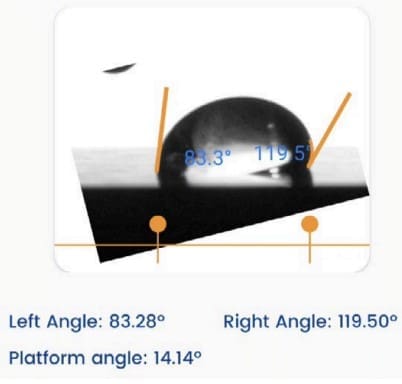
The tilt, in degrees, at which a drop starts to roll or slide off a surface. Use it for water and oil repellent surfaces, where a high contact angle alone does not show that drops will shed.
These reference measurements show how deionized water wets four standard substrates measured with the Droplet Lab Dropometer. Use them as visual and numerical benchmarks when you're checking your own sample preparation, treatments, and chemistry.
Full contact angle and surface energy datasets (including additional liquids and statistics) are available on our dataset hub.
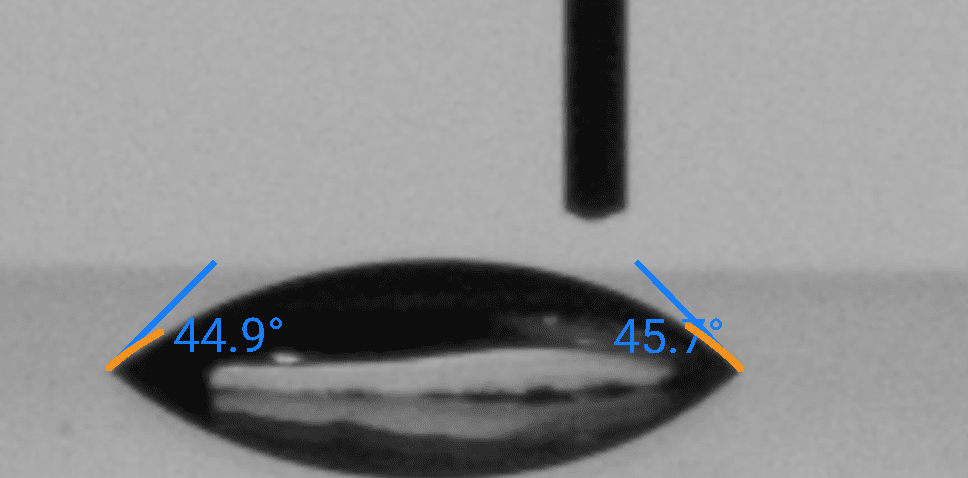
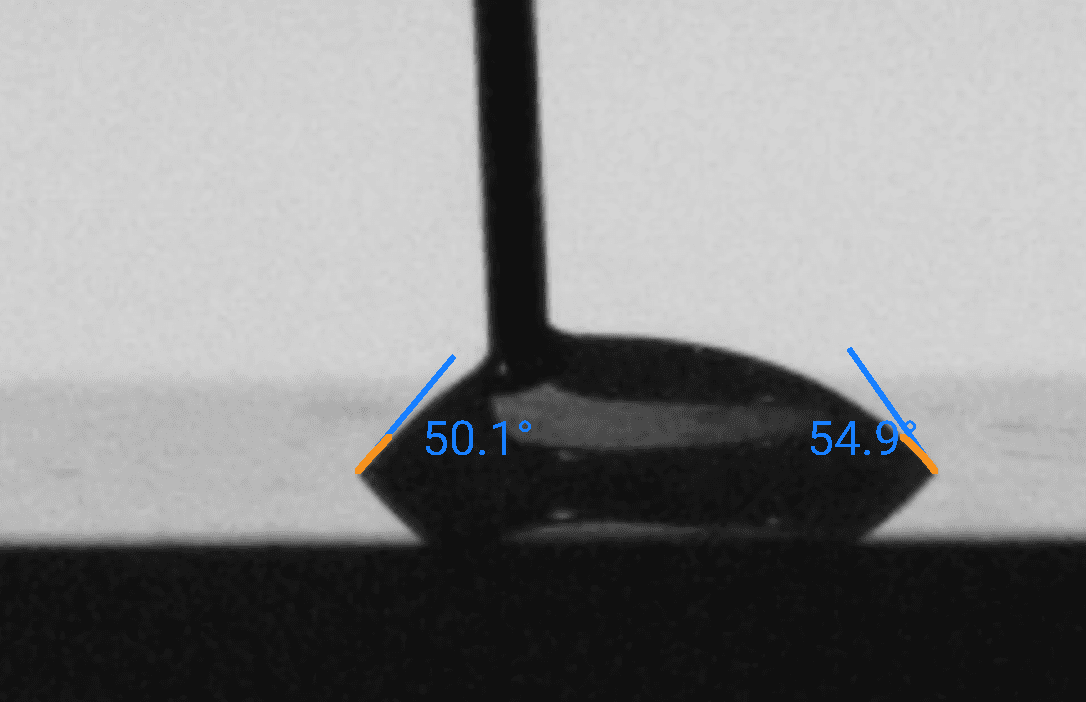
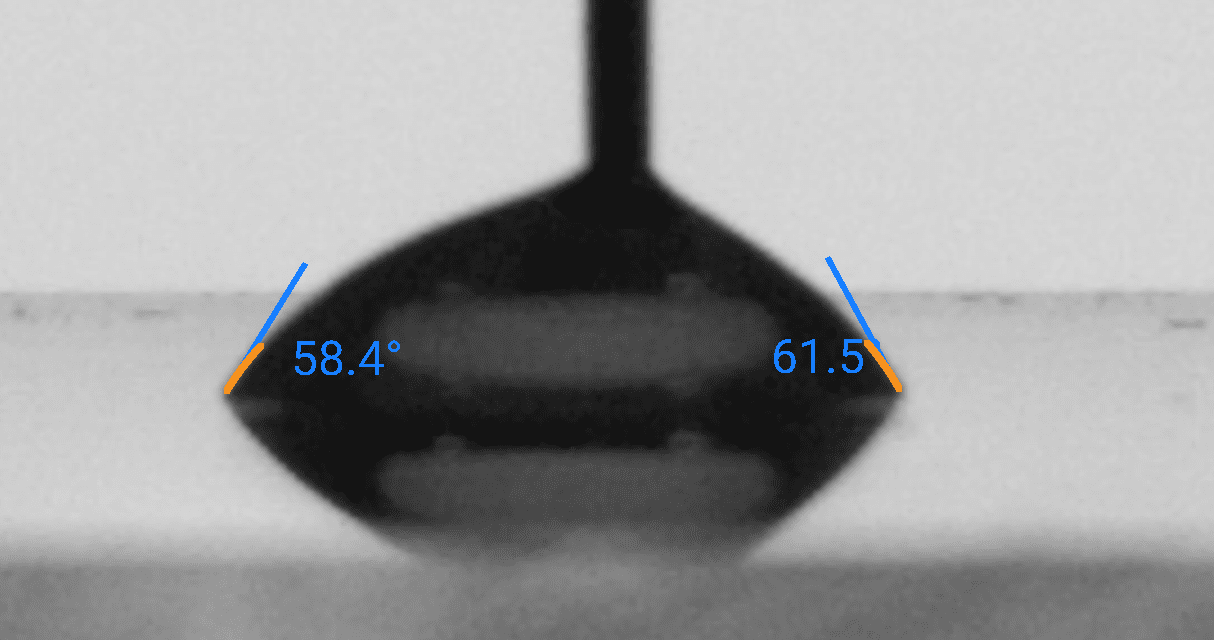
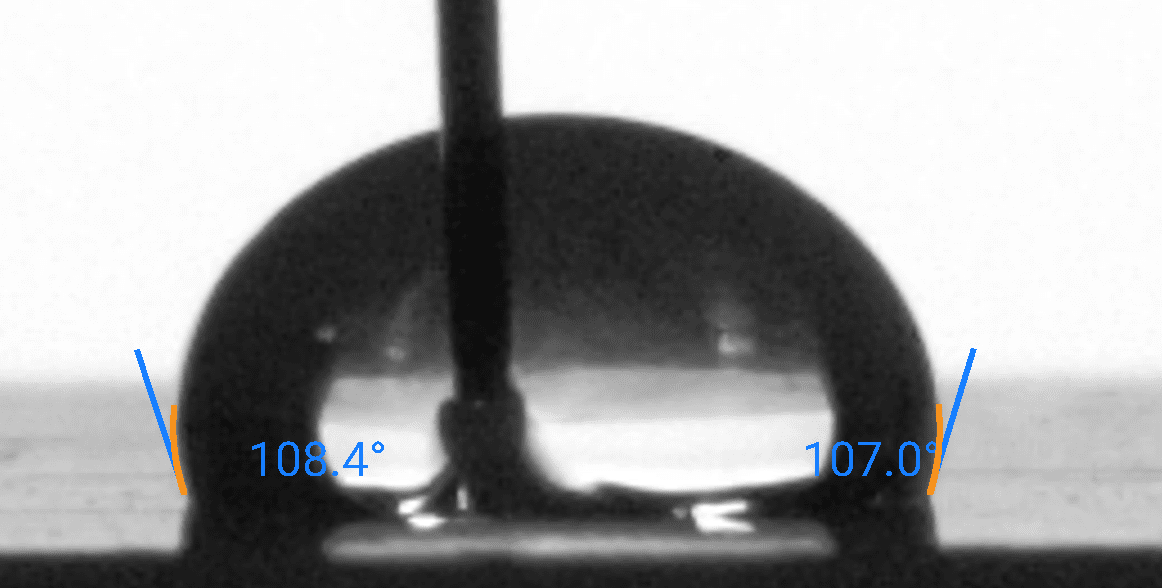
The droplet images above are taken from the same benchmark series as our open dataset. For each substrate and probe liquid we report:
Comparing your own droplet shapes and angles against these references is a fast way to spot contamination, treatment drift, or unexpected changes in wettability.
Measurements were performed with the Droplet Lab Dropometer under controlled laboratory conditions. Treat these values as sanity checks and starting points for your own process targets, not as product specifications.
Start with the failure you are trying to prevent. Use contact angle and sliding angle for repellent, anti icing and easy clean coatings. Use contact angle and surface free energy before painting or bonding. Use surface tension for battery electrolytes, paints and other process liquids. Our contact angle guide explains the core method.
A high contact angle shows that water is repelled. It does not show whether a drop will move. Some surfaces bead water at a high angle but pin the drop in place. Sliding angle on a tilt stage, together with contact angle hysteresis, shows whether drops roll off. See the roll off angle and hysteresis entries.
ISO 19403-6 describes dynamic contact angle by changing drop volume, which the Dropometer can run with its sessile drop modes. ISO 19403-7 describes roll off angle on a tilt stage; the Dropometer tilt stage reads up to 60 degrees. Neither standard sets pass limits, so build your own from parts with known field results.
Lab tests rank coatings and catch drift between batches, but they do not replace road testing. They do not capture airflow at speed, wiper chatter or haze. Measure bare glass and a reference coating on the same day, then retest after wiper, washer fluid and UV cycles. Our windshield repellent page sets out the steps.
Measure water contact angle at a fixed time after cleaning or treatment, at five or more spots per zone. Compare the median and the spread with parts that passed your lap shear or peel tests. There is no universal threshold, so gates are set per alloy and process. See reliable aluminum bonding.
Yes. Pendant drop gives electrolyte surface tension, and sessile drop gives contact angle on separators and electrodes. Porous samples absorb drops fast, so absorption time can be the better measure. Moisture changes LiPF6 electrolytes, so control the air around the test. These readings rank materials; they do not replace cell builds. See electrolyte wetting.
The drop shape method was validated against a KRUSS DSA100E in two peer reviewed papers, one in Review of Scientific Instruments and one in Colloids and Surfaces A. Contact angle accuracy is 0.35 degrees in the Dropometer product specification. Automatic edge and baseline detection gives the same reading from the same image. See our validation papers.
Book a 15 minute consult and we will show the Dropometer measuring the kind of surface or liquid your team works with.
Every page and paper referenced in this guide, grouped by type.